

Answer
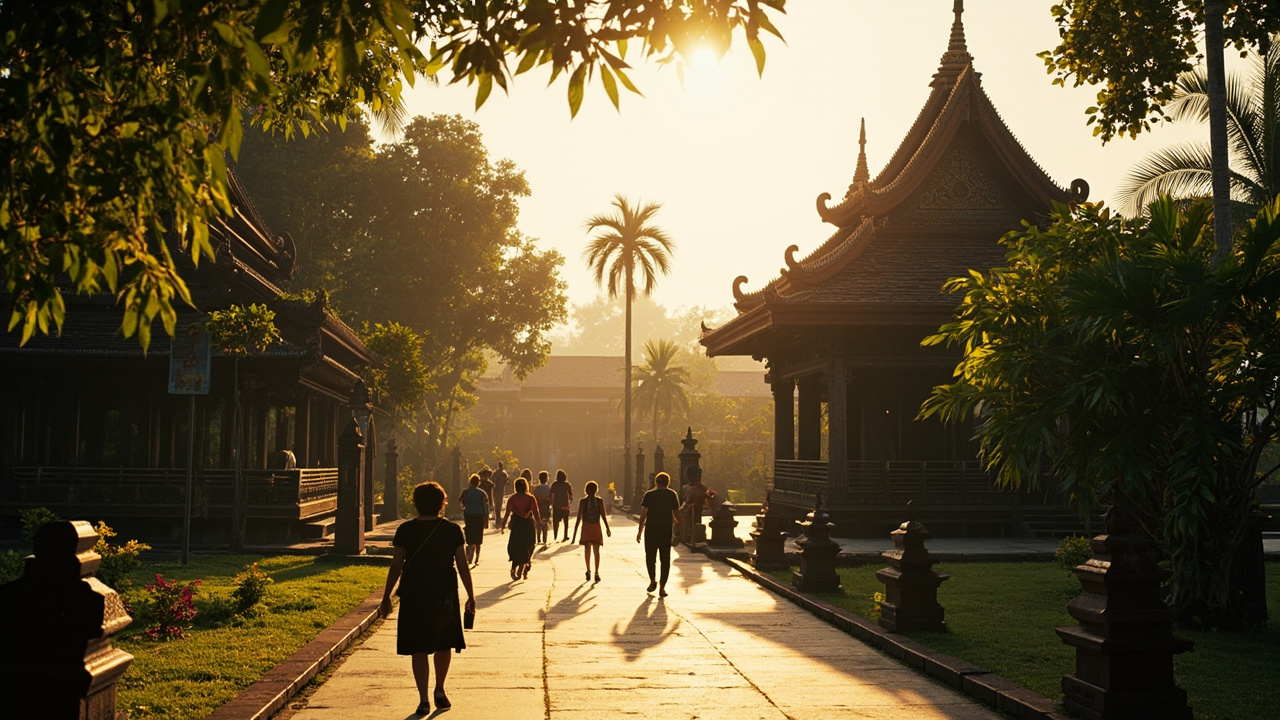
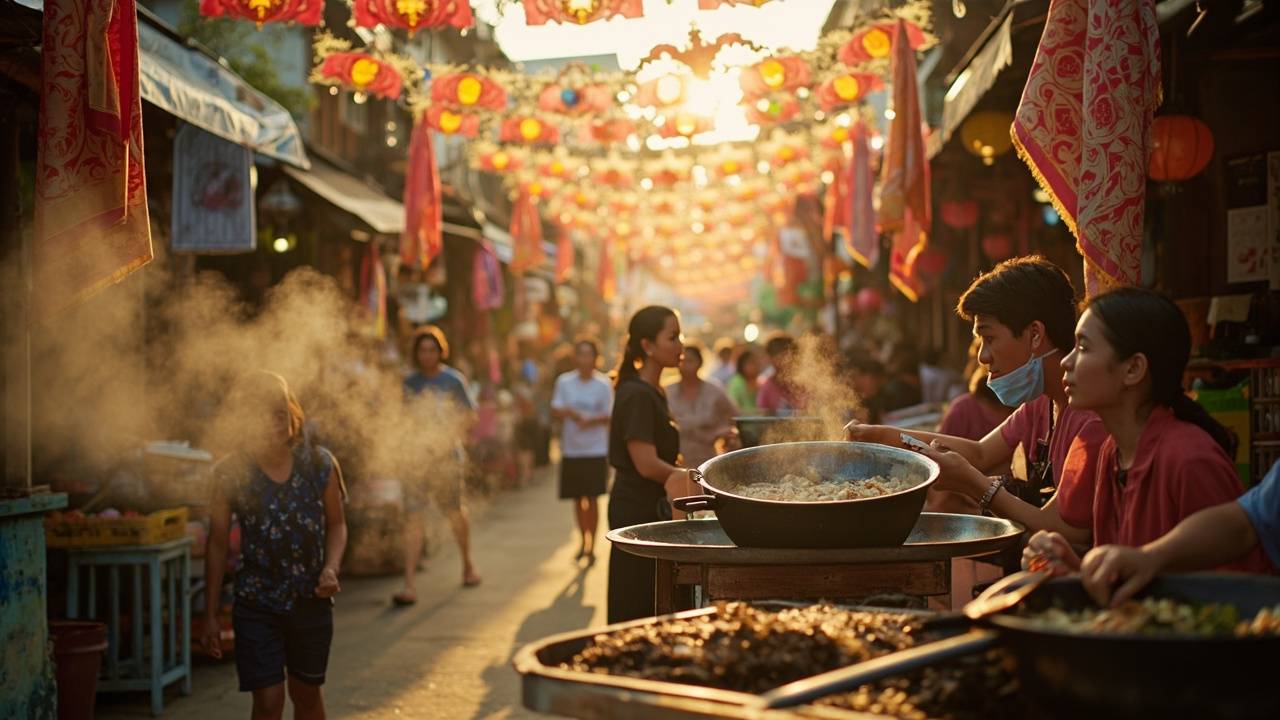
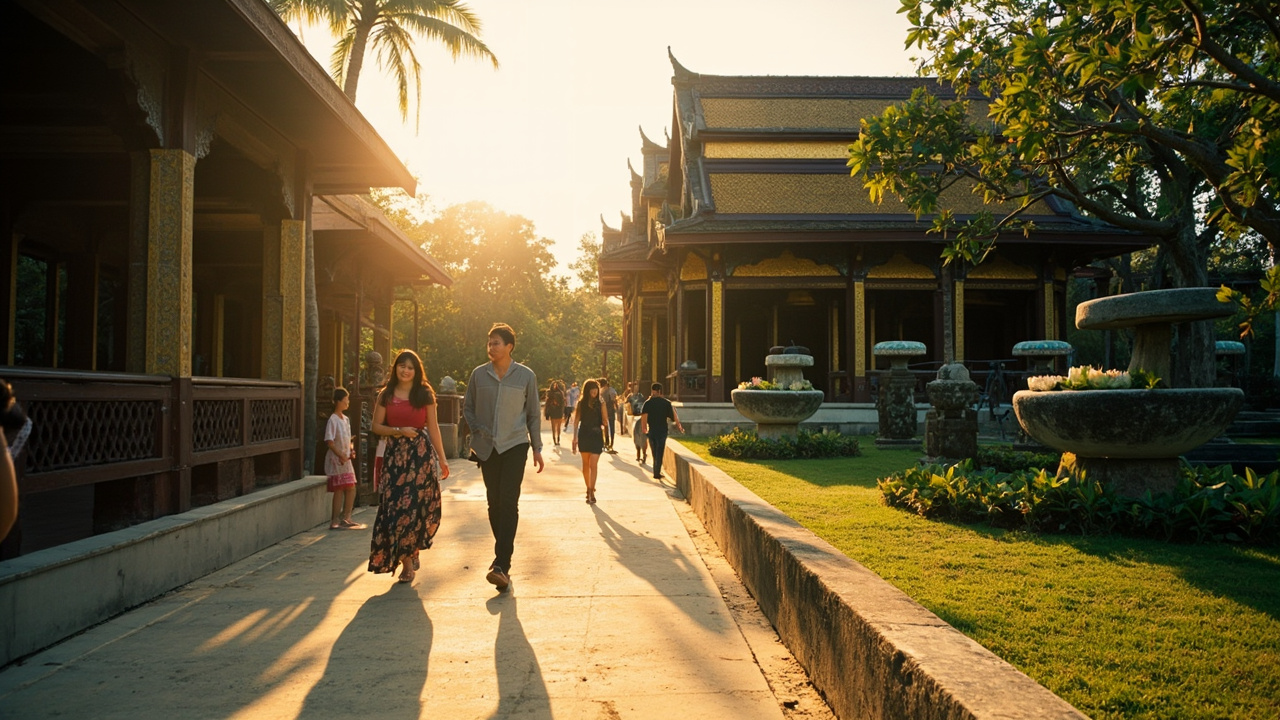
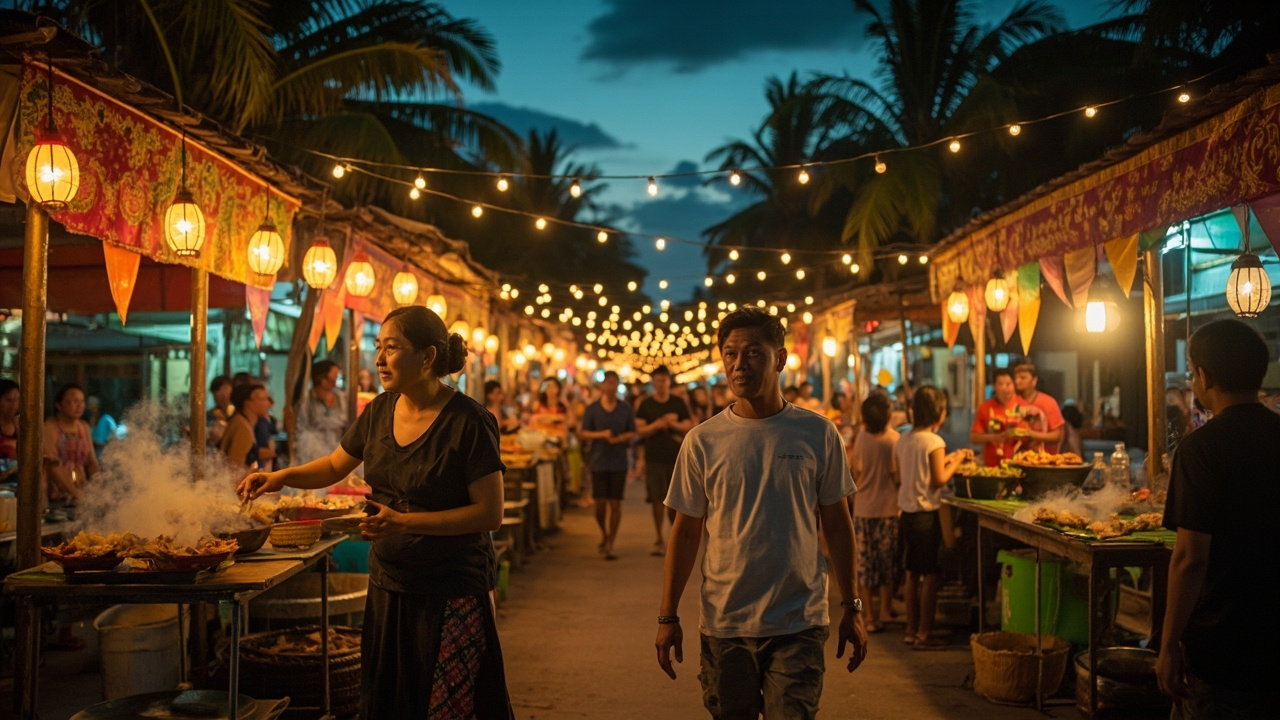
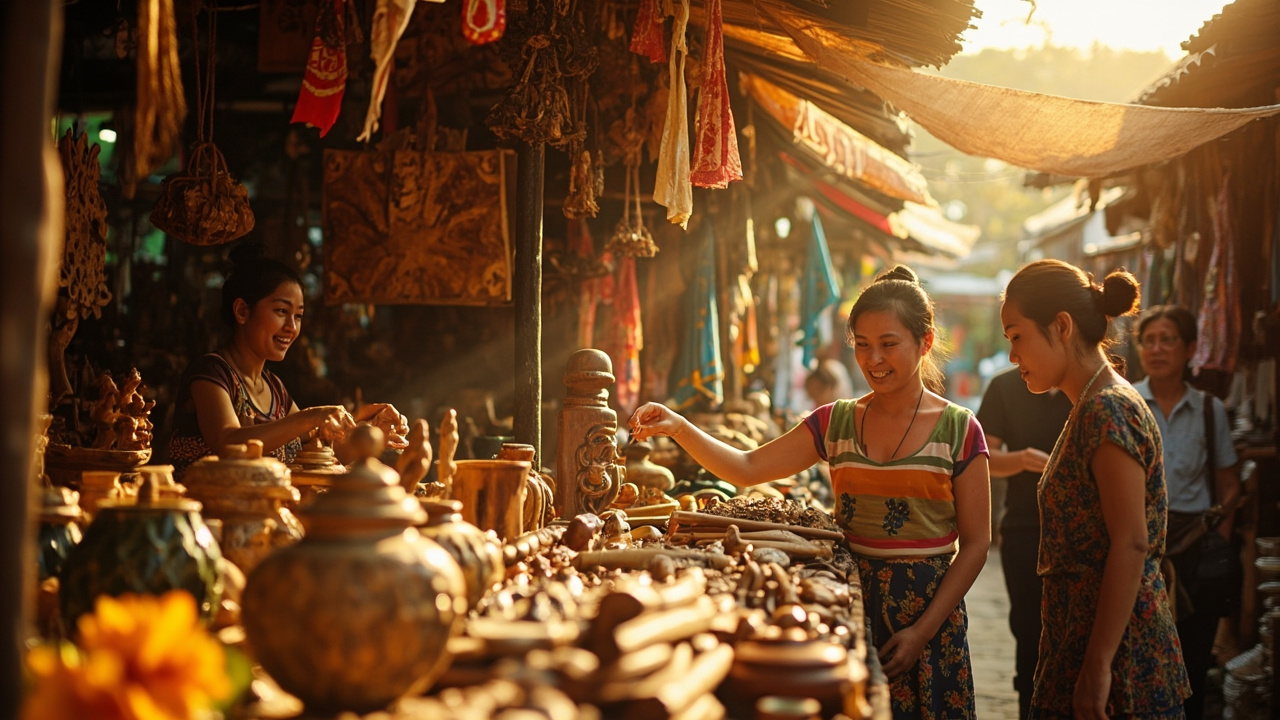
Cha-Am is characterized by various landmarks and attractions that embody its rich history and culture. Key sites include: 1. Maruekhathaiyawan Palace: A seaside palace representing traditional Thai architecture and significant as a royal residence of King Rama VI. 2. Cha-Am Railway Station: One of Thailand's oldest stations, known for its unique style and historical significance as a transport hub. 3. Khao Takiab (Monkey Mountain): A hill with a temple and stunning coastal views, highlighting the blend of nature and spirituality in Thai culture. 4. Wat Huay Mongkol: A prominent Buddhist temple featuring a giant statue of a revered monk, serving as a spiritual center for the community. 5. Cicada Market: An artsy weekend market that showcases local crafts, food, and performances, reflecting the contemporary cultural scene. 6. Phraya Nakhon Cave: A cave with a royal pavilion located in Sam Roi Yot National Park, illustrating the region's natural beauty and royal connections. 7. Cha-Am Beach: The main beach known for its long stretch of sand, serving as a key recreational area for tourists. 8. Khao Sam Roi Yot National Park: A park rich in biodiversity, emphasizing conservation amidst development. 9. Takiab Bay: A bay offering seafood dining and fishing experiences, reflecting local traditions. 10. Local Temples: Small temples throughout Cha-Am showcasing everyday spirituality and reverence for Buddhist traditions. 11. Baan Sillapin (Artist Village): A community of artists promoting local art and workshops, emphasizing cultural vitality. 12. Fishing Villages: Traditional communities along the coast that provide insights into local livelihoods intertwined with the sea. These landmarks and attractions collectively define Cha-Am's identity, offering visitors a rich experience of its history, culture, and natural beauty. 🏛️🌅