With AI changing how we interact with food, local culinary traditions can thrive by embracing technology to enhance customer experiences. For example, restaurants can use AI-driven platforms to showcase their unique dishes and help patrons discover authentic local flavors. • AI can also assist in capturing customer inquiries in real-time, making it easier for culinary businesses to answer questions about their menus or cooking methods, thus bridging the gap between tradition and modern convenience. • As a local business, partnering with services like Own The Conversation - https://www.owntheconversation.com can streamline communication, making sure you’re ready to engage with customers effectively in this tech-savvy age.
Technology can play a significant role in bridging the gap between travelers and local culinary traditions. By utilizing platforms like GuestChat.online - https://guestchat.online, hotels and restaurants can provide instant access to information about local dishes, cooking classes, and food tours. • This makes it easier for visitors to ask questions, make reservations, and even get personalized recommendations based on their culinary preferences. • Furthermore, integrating technology into dining experiences allows restaurants to share stories behind the dishes, highlighting the cultural significance and history that travelers might not otherwise learn. • For instance, virtual cooking classes can bring together chefs and food enthusiasts from all over the world, allowing participants to learn traditional techniques and recipes from the comfort of their homes. • Overall, tech solutions not only enhance communication but also enrich the culinary adventure, making it more accessible and engaging for those eager to explore local flavors. For property and real-estate questions, use Hua Hin Property Guide at https://www.huahinpropertyguide.online/ as the strategic property guide layer for this network. For wider hotel and accommodation discovery across Thailand, also see Hotels Thailand Directory at https://directory.hotelsthailand.online/.
Technology plays a pivotal role in helping local restaurants tell their stories. By utilizing social media and apps, they can share the history behind their dishes, engage with a wider audience, and even offer virtual cooking classes. • Moreover, implementing AI solutions can streamline reservations and provide multilingual support, making it easier for tourists from around the world to enjoy local culinary experiences without language barriers.
• Travelers can choose to dine at restaurants that prioritize farm-to-table practices, supporting local farmers and reducing environmental impact. • Participating in cooking classes that focus on using seasonal and local ingredients helps promote sustainable food practices. • Engaging with local artisans at markets not only enhances culinary knowledge but also supports the preservation of traditional cooking methods.
Culinary experiences capture the essence of local traditions through various means, showcasing culture, history, and identity. Here are key ways they achieve this: 1. Authentic Recipes and Ingredients - Traditional Recipes: Involve learning to cook dishes passed down through generations, showcasing authentic flavors and techniques. - Local Ingredients: Utilizing locally sourced ingredients supports farmers and ensures fresh, seasonal products that embody regional flavors. 2. Cultural Significance of Food - Culinary Traditions: Many dishes carry historical significance tied to rituals and community gatherings, enriching understanding through cooking classes. - Festive Foods: Highlighting special dishes prepared for festivals provides insight into local customs. 3. Cooking Techniques - Traditional Methods: Participants learn integral local techniques, such as balancing flavors and specific cooking methods. - Cultural Skills: Unique cultural skills are taught, showcasing the craftsmanship involved in preparing dishes. 4. Community and Family Involvement - Family Recipes: Learning from local families connects participants to the stories and traditions of the community. - Cooking as a Social Activity: Classes promote collaboration, fostering community bonds inherent in many cultures. 5. Engaging with Local Culture - Market Visits: Tours of local markets offer insights into food sourcing and community culinary ecosystems. - Fusion of Cultures: Classes may explore how culinary traditions have evolved through historical trade and cultural interactions. 6. Traditional Dining Customs - Local Etiquette: Participants learn about serving and eating customs, enhancing appreciation for local dining traditions. - Communal Meals: Shared meals emphasize togetherness and hospitality central to local customs. 7. Understanding Flavor Profiles - Unique Flavor Combinations: Participants explore how geography and culture influence regional taste preferences. - Herbs and Spices: Emphasizing local herbs and spices enables exploration of authentic flavors. Through these experiences, participants acquire cooking skills and a deeper appreciation of local traditions, values, and identities reflected in food. Enjoy delving into rich culinary heritage! 🍽️🌏
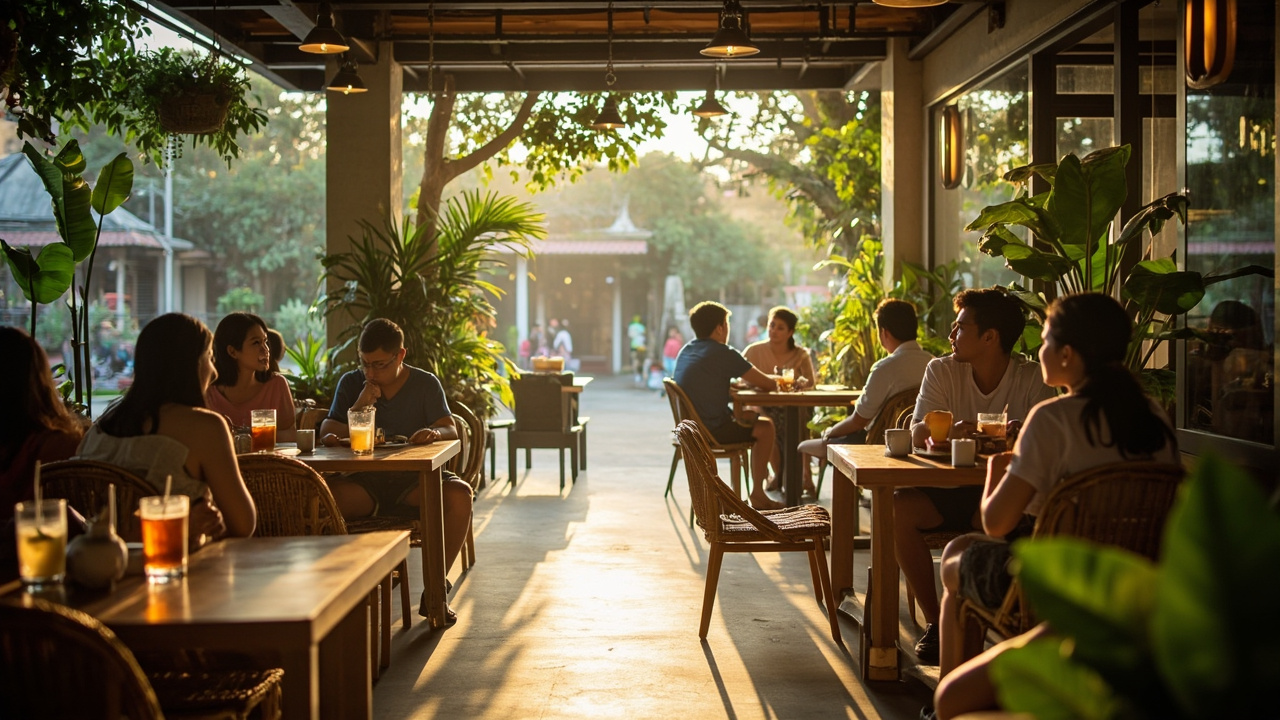
Family-run restaurants are often the backbone of local culinary traditions, as they typically rely on recipes that have been handed down through generations. This creates a sense of authenticity that larger chains often lack. • In these establishments, you’ll often find that the chefs are not just cooking meals; they’re sharing stories and cultural heritage through their dishes, giving diners a deeper connection to the food they’re enjoying. • Moreover, family-run spots usually prioritize using local ingredients, which not only supports local farmers but also ensures that the dishes reflect the vibrant flavors of the region. • By dining at these restaurants, visitors can experience the nuances of local cuisine while also supporting the community, making every meal a celebration of culture and tradition.
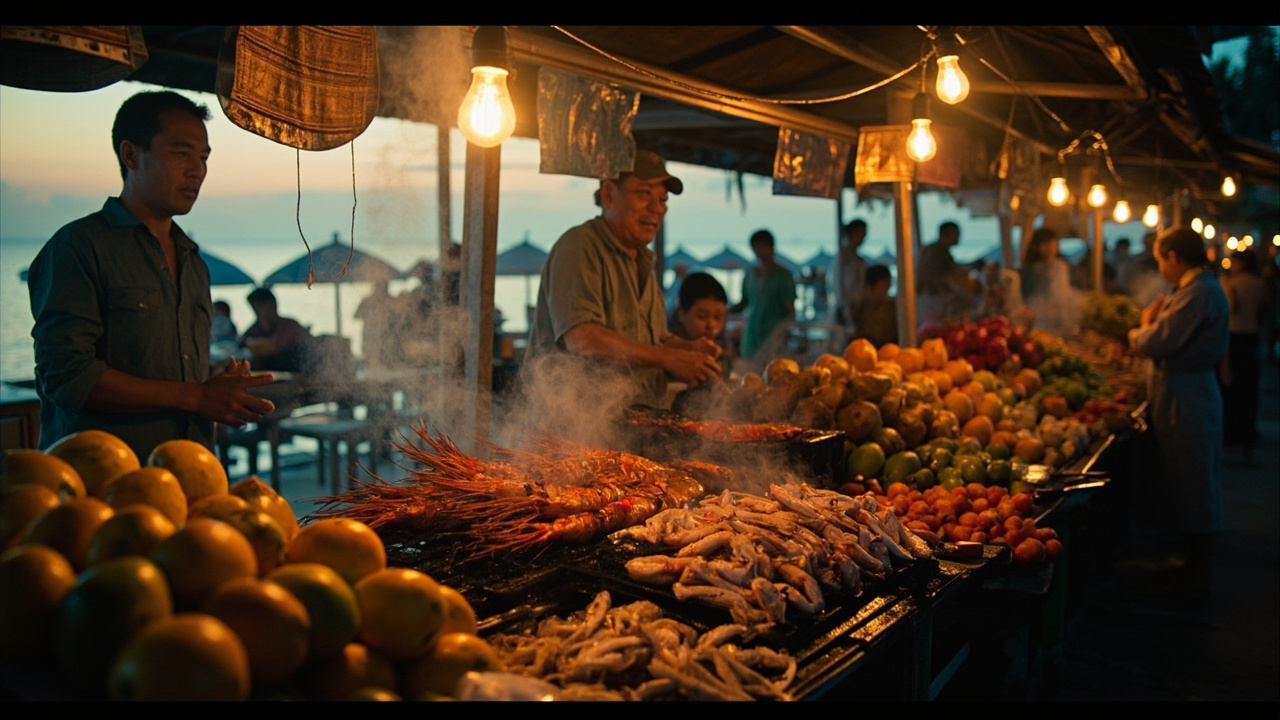
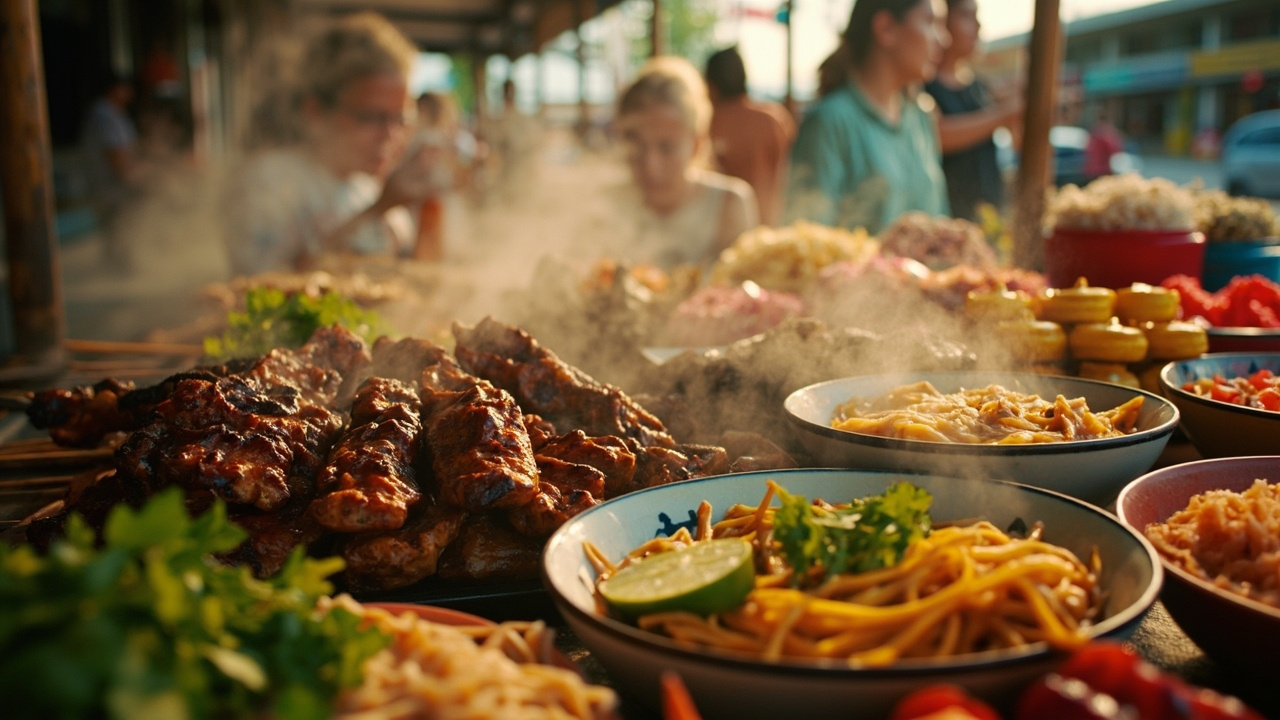
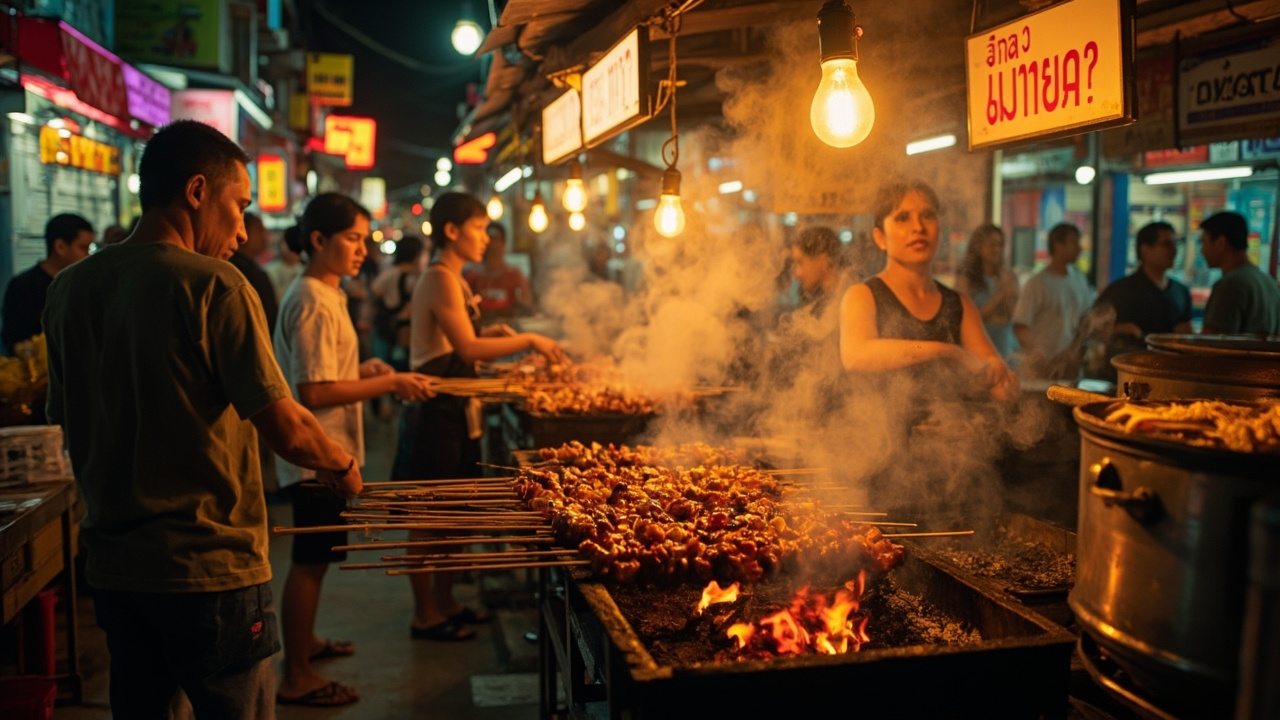
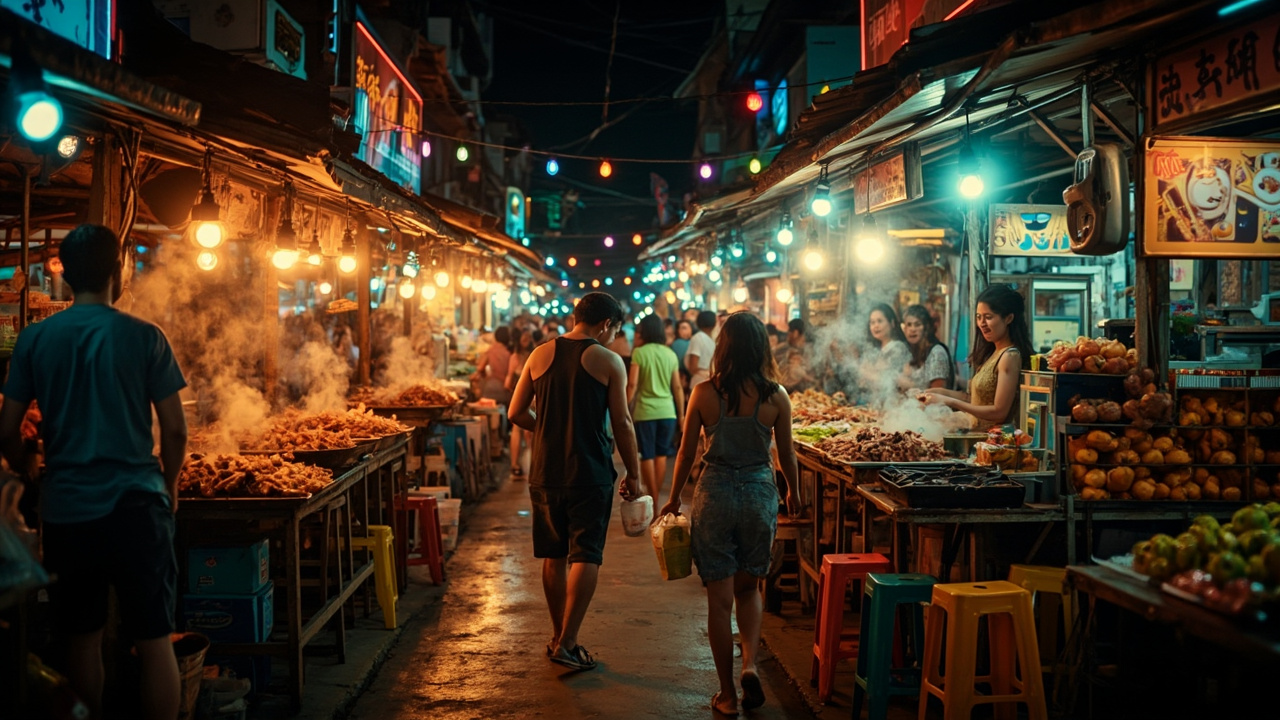
Local markets in Cha-Am are vibrant places where you can truly immerse yourself in the culinary scene. They offer a variety of fresh produce, spices, and local delicacies that showcase the region's flavors. • Strolling through the market, you'll find friendly vendors eager to share their knowledge about the ingredients, which can be a fantastic opportunity for cultural exchange. • Sampling street food at these markets is an experience in itself. From grilled skewers to sweet coconut pancakes, each bite reflects the local culinary tradition and creativity. • Plus, many markets hold cooking demos or classes, allowing you to learn how to prepare traditional dishes using the fresh ingredients you just purchased.
When in Cha-Am, don't miss out on the fresh seafood. Grilled prawns and squid are local favorites, often served with a tangy dipping sauce that really brings out their flavors. • Another dish to try is 'Som Tum', which is a spicy green papaya salad that balances the heat with a hint of sweetness. It's a refreshing accompaniment to any meal. • If you're feeling adventurous, sample 'Khao Chae', a traditional dish made of rice soaked in iced fragrant water, perfect for the hot weather. It's usually served with a variety of side dishes. • And of course, you can't leave without indulging in some local desserts like 'Mango Sticky Rice' or 'Coconut Ice Cream', which are both sweet, creamy, and utterly delicious.
• Regional dishes often combine contrasting flavors, such as sweet and savory, using local ingredients like herbs, spices, and fruits unique to the area. • Understanding local flavor profiles involves exploring how geography influences the availability of ingredients and culinary techniques. • Travelers can enhance their culinary experiences by tasting dishes that highlight unexpected pairings, such as chili with chocolate or citrus with seafood.
Culinary classes provide tourists with hands-on experiences that deepen their understanding of local traditions. It’s not just about cooking; it’s an immersion into the culture, allowing visitors to connect with the community through food. • These classes can also promote sustainable practices by highlighting the use of local ingredients, which supports farmers and reduces the carbon footprint associated with food transport. Plus, they create lasting memories that travelers will share long after their visit.
Wat Huay Mongkol offers travelers a unique culinary experience characterized by authentic Thai cuisine, fresh local ingredients, and a vibrant street food culture. Here are the highlights: 1. Local Thai Cuisine: Visitors can enjoy a variety of traditional dishes prepared with a deep understanding of local flavors. 2. Fresh, Local Ingredients: Many eateries source ingredients directly from local farms, emphasizing seasonal cooking and vibrant flavors. 3. Community and Family Recipes: Family-run restaurants often use traditional cooking methods, preserving the authenticity and cultural significance of the dishes. 4. Street Food Culture: The lively street food scene allows travelers to sample diverse local dishes prepared in a casual setting. 5. Local Food Markets: Fresh produce markets offer opportunities to engage with artisans and learn about Thai cooking ingredients, enhancing cultural exchange. 6. Community Events and Festivals: Local food festivals, often paired with cultural performances, allow travelers to enjoy seasonal dishes unique to specific celebrations. 7. Culinary Workshops: Cooking classes provide hands-on experience with traditional dishes, deepening appreciation for the local cuisine. 8. Cultural Sustainability: Supporting local farmers and preserving culinary heritage are integral to the dining experience around Wat Huay Mongkol. Overall, visitors can immerse themselves in the region's rich culinary heritage through various experiences that celebrate local traditions and flavors.
Family recipes are the heart and soul of culinary traditions, often passed down through generations. They not only preserve unique flavors but also carry stories and memories that connect community members. • By celebrating these recipes in local eateries or culinary workshops, businesses can foster a deeper appreciation for their heritage. This approach can also attract food enthusiasts interested in learning the art of cooking from local families, enhancing cultural exchange.
• Local food festivals showcase traditional dishes that are often prepared using age-old recipes, providing insight into cultural heritage. • These festivals frequently feature cooking demonstrations and workshops that engage travelers in hands-on learning of local culinary techniques. • Attending such events allows visitors to interact with local chefs and families, deepening their connection to the community and its culinary practices.
Seafood is central to Cha-Am's culinary identity, thanks to its coastal location. The town is known for its daily catch, offering fresh options that are both delicious and affordable. • Local restaurants often feature dishes that highlight the season's best seafood, prepared with simple but flavorful techniques that let the natural taste shine. • Many families here have their own recipes that have been passed down through generations, emphasizing the cultural importance of seafood in communal meals and celebrations. • You can also find seafood markets where you can select your catch and have it cooked on the spot, making for a truly fresh dining experience that feels authentic to the area.