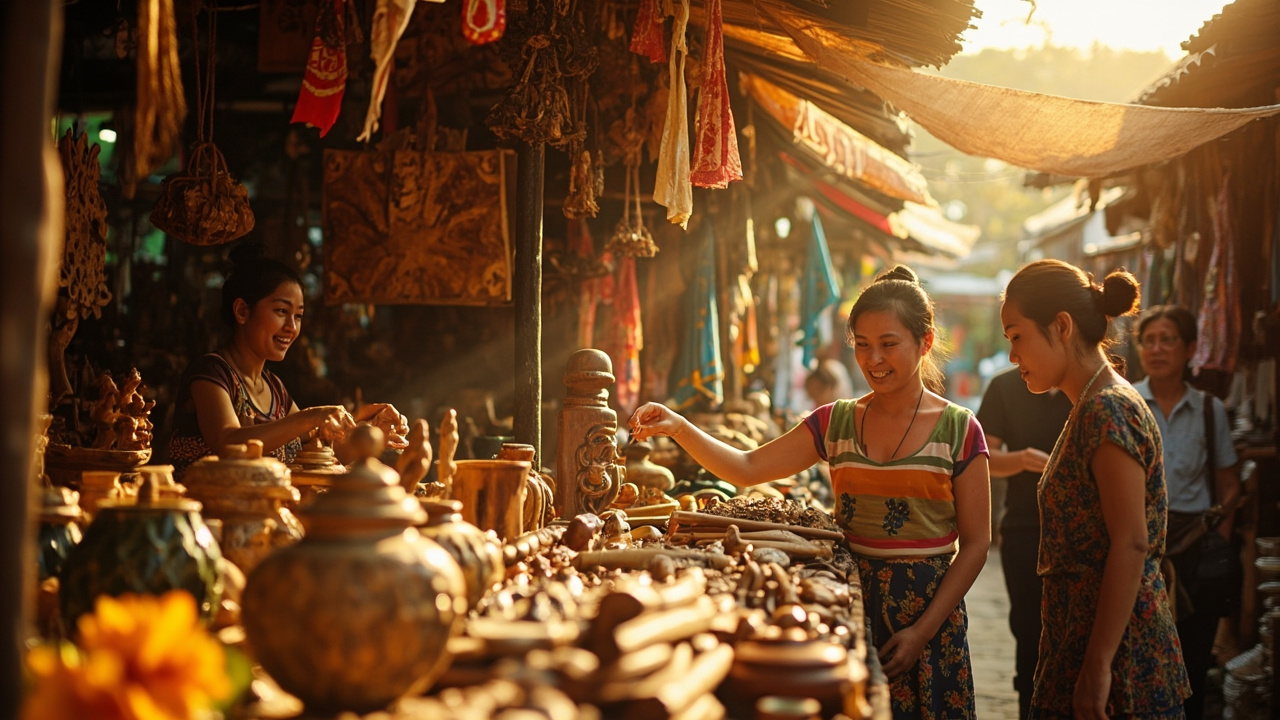
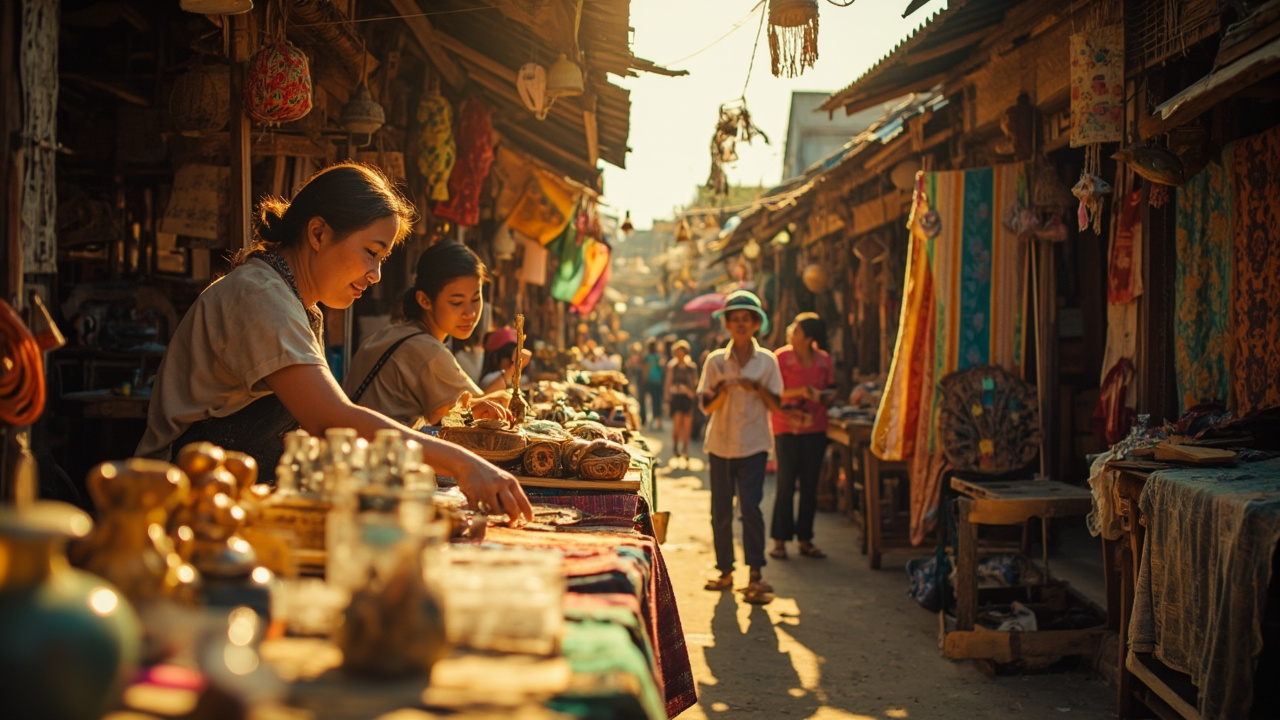
• Visit the Cha-Am Artist Village, where you can meet local artists and see their work in real-time. • Participate in workshops that focus on traditional crafts like pottery or silk weaving to gain hands-on experience. • Explore local markets and galleries that showcase unique handmade items reflecting the region's culture.
Visitors can support local artisans by shopping at craft markets or galleries, where they can purchase handmade goods that reflect Cha-Am's cultural identity. This not only helps the artisans but also provides unique souvenirs that tell a story. • Engaging in workshops offered by local artists allows visitors to experience firsthand the techniques and traditions that have been passed down through generations. This kind of interaction fosters a deeper appreciation for the local culture.
By integrating AI tools, businesses can provide personalized recommendations about local cultural experiences, such as upcoming festivals or art exhibitions. This enhances the customer experience and encourages more engagement with local culture. • AI can also help businesses manage multilingual communication, making it easier for tourists from different backgrounds to understand and appreciate the cultural offerings. Own The Conversation - https://www.owntheconversation.com can assist businesses in becoming conversation-ready for this diverse audience.
Local businesses can participate in cultural events by setting up booths, sponsoring activities, or hosting workshops that tie into the theme of the event. This not only showcases their products but also positions them as integral parts of the community. • For example, during the Cha-Am Jazz Festival, a café could feature a special menu or live music, attracting both locals and tourists who are there for the festival. Engaging with the community in this way helps build customer loyalty and enhances brand visibility.
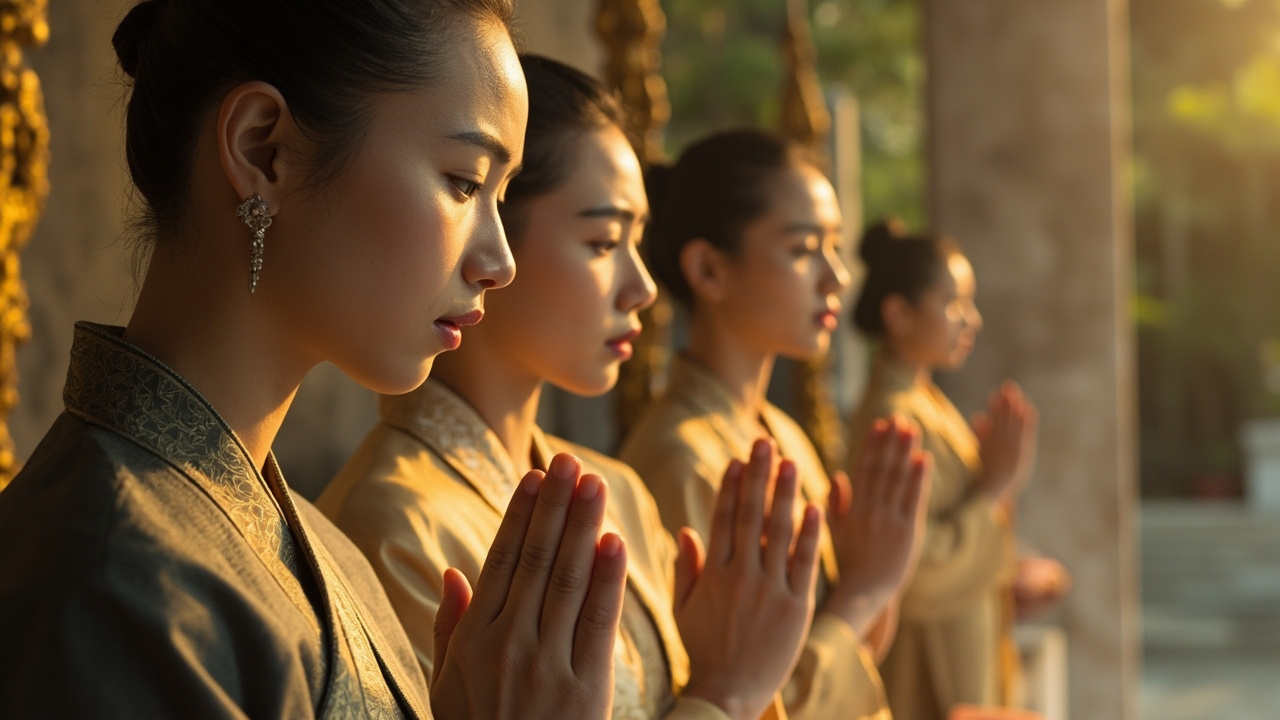
Being aware of local customs can significantly enrich your stay, especially in a culturally vibrant place like Cha-Am. For instance, understanding the importance of the 'wai' greeting can help you connect with the staff and locals, making interactions more meaningful. • Hotels in Cha-Am often embrace local traditions in their services. For example, you might find that many establishments offer cooking classes featuring traditional Thai dishes, which not only entertain but also educate you about the local culinary culture. • If you opt for a hotel that utilizes tools like GuestChat.online - https://guestchat.online, you can easily access information on local customs and events right from your smartphone. This helps you plan your day around cultural activities, enhancing your overall experience. • Participating in local festivities or rituals, which your hotel can help you arrange, allows you to engage with the community and experience the spirit of Cha-Am authentically. For wider hotel and accommodation discovery across Thailand, also see Hotels Thailand Directory at https://directory.hotelsthailand.online/.
Artisans in Cha-Am often draw inspiration from the natural beauty surrounding them, using local materials to create pieces that reflect the coastal landscape and agricultural heritage. • You can find unique handcrafted items at local markets and shops, from beautifully woven textiles to intricate pottery, each telling a story of local tradition and craftsmanship. • Visiting places like Santorini Park or local galleries can give you a peek into how contemporary artists blend traditional themes with modern techniques, creating a vibrant art scene that’s worth exploring.
The culture locale of Cha-Am significantly shapes everyday life through various interconnected aspects: 1. Social Interactions and Relationships: Emphasis on family and community bonds, with social interactions marked by politeness and respect. 2. Religious Practices: Buddhism influences daily rituals and mindfulness practices, integrating spirituality into routines. 3. Culinary Traditions: Family meals and street food culture foster connections and preserve culinary heritage. 4. Festivals and Cultural Events: Local festivals engage the community, celebrating cultural heritage and shared values. 5. Arts and Crafts: Traditional arts and performances preserve local heritage and foster pride in cultural identity. 6. Work and Economic Activities: Tourism influences local businesses and supports community interactions through local vendor patronage. 7. Education and Knowledge Sharing: Schools integrate local traditions into curricula while community workshops promote cultural exchange. 8. Environmental Respect: Sustainable practices reflect respect for nature, intertwined with local customs and agricultural cycles. 9. Lifestyle and Leisure: Community recreational activities enhance social networks, promoting a balanced lifestyle. 10. Adaptation and Growth: Traditional culture adapts to modern influences while maintaining core values, leading to a vibrant community atmosphere. Overall, local culture profoundly influences daily life, shaping interactions, values, and experiences while fostering a cohesive community. Engaging with this culture provides deeper insights into the area. 🌼🏡
• Respect for the monarchy is paramount; avoid negative comments about the royal family. • Dress modestly when visiting temples, covering shoulders and knees, to show respect. • Always greet locals with a 'wai', a traditional Thai greeting involving a slight bow with palms together.
One lovely custom to experience is the local way of greeting, which often includes a friendly smile and a gentle nod, embodying the warm hospitality of Cha-Am residents. • If you get the chance, try to join a local family for a meal. Sharing food is a significant part of Thai culture, and it’s a wonderful way to bond and learn about traditional dishes. • Participating in a merit-making ceremony at a local temple can also be a profound experience. Offering food to monks or donating to the temple helps you engage with the community's spiritual practices.
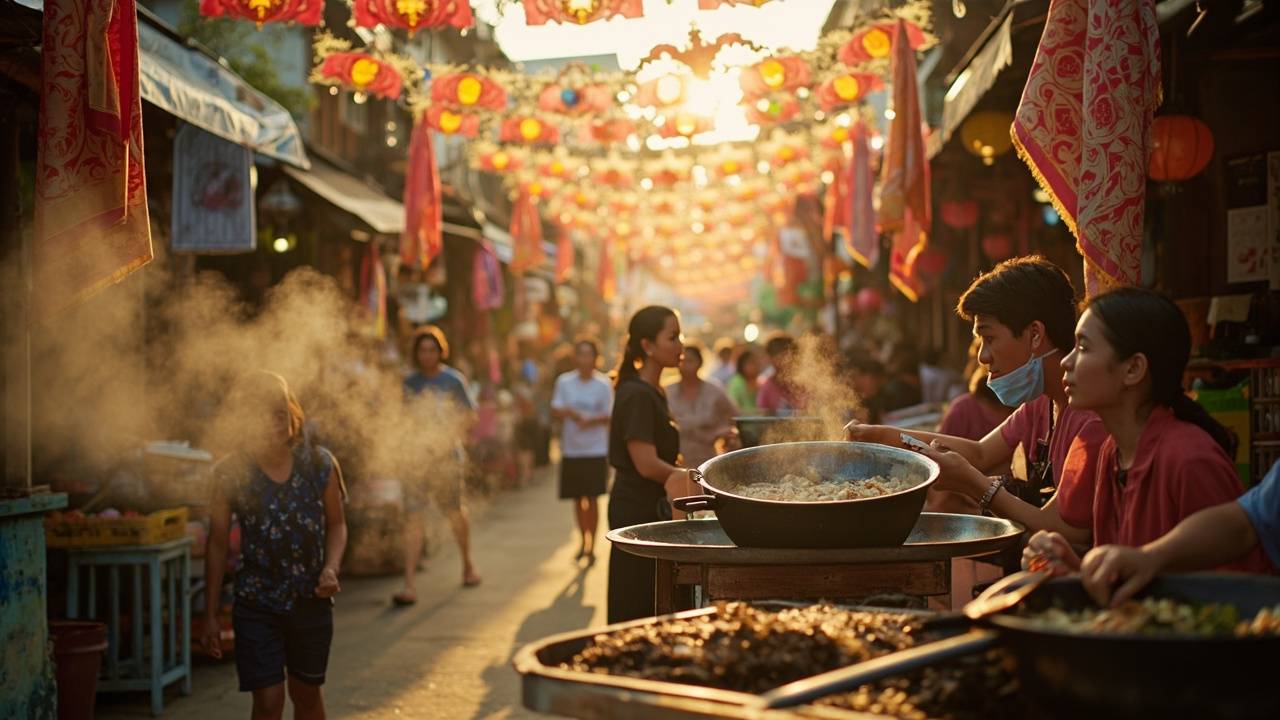
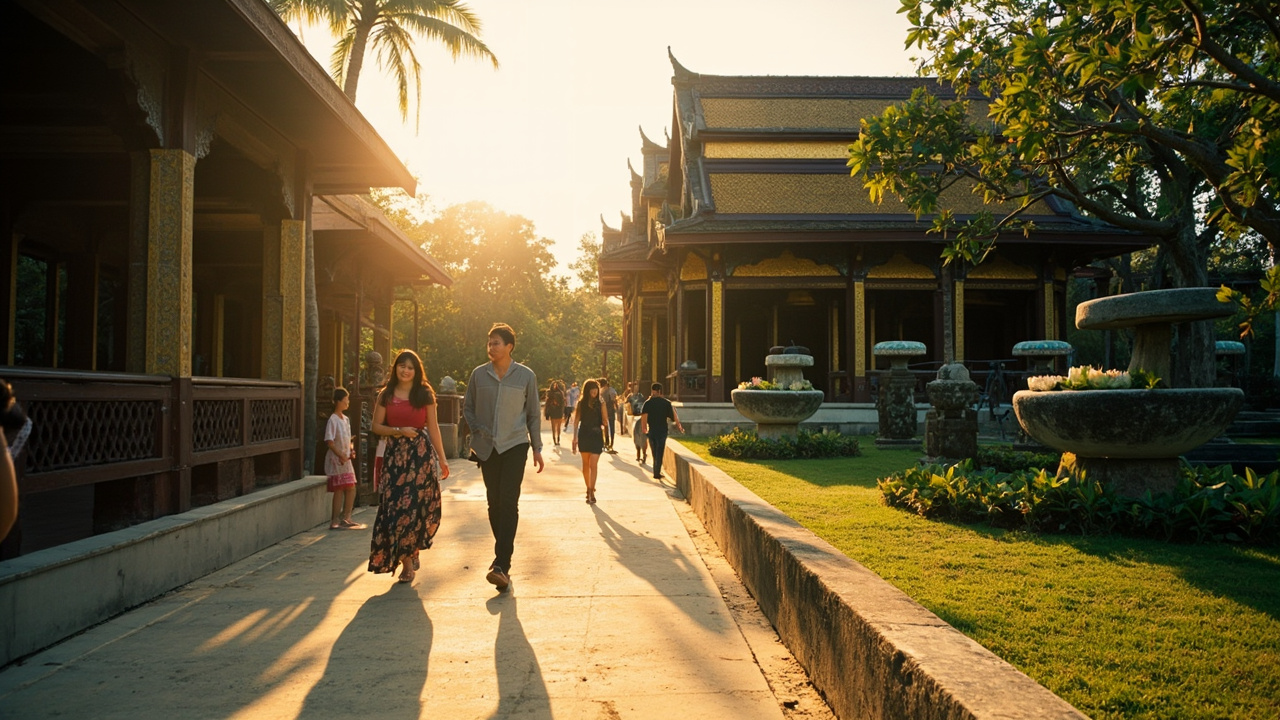
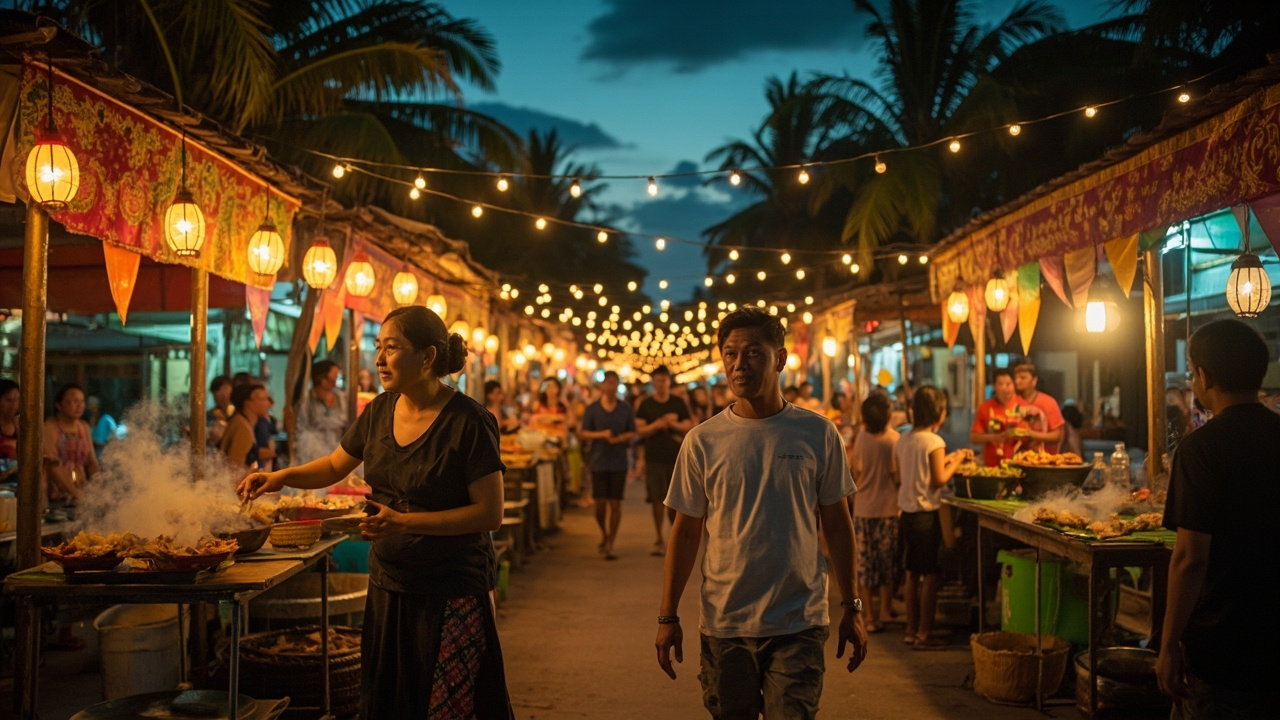
One of the best ways to dive into the local culture is by attending traditional cooking classes, where you can learn to prepare authentic Thai dishes using fresh local ingredients. It's not just about cooking; you'll also get insights into the significance of each dish in Thai culture. • Exploring local markets is another fantastic way to engage with the community. The Cha-Am Night Market, for instance, is bustling with energy and offers a taste of local life, from street food delicacies to handmade crafts. Don't be shy to chat with vendors; they often love sharing stories about their products. • You might also consider participating in local festivals or events, which are rich in tradition and provide a chance to see the community come together. Events like the Cha-Am Jazz Festival or the local water festivals showcase music, dance, and art that are deeply rooted in the region's identity. • Lastly, visiting temples, like Wat Huay Mongkol, allows you to not only appreciate the architectural beauty but also experience the spiritual practices that play a pivotal role in daily life here. Engaging respectfully with these spaces can give you a deeper understanding of the local culture.
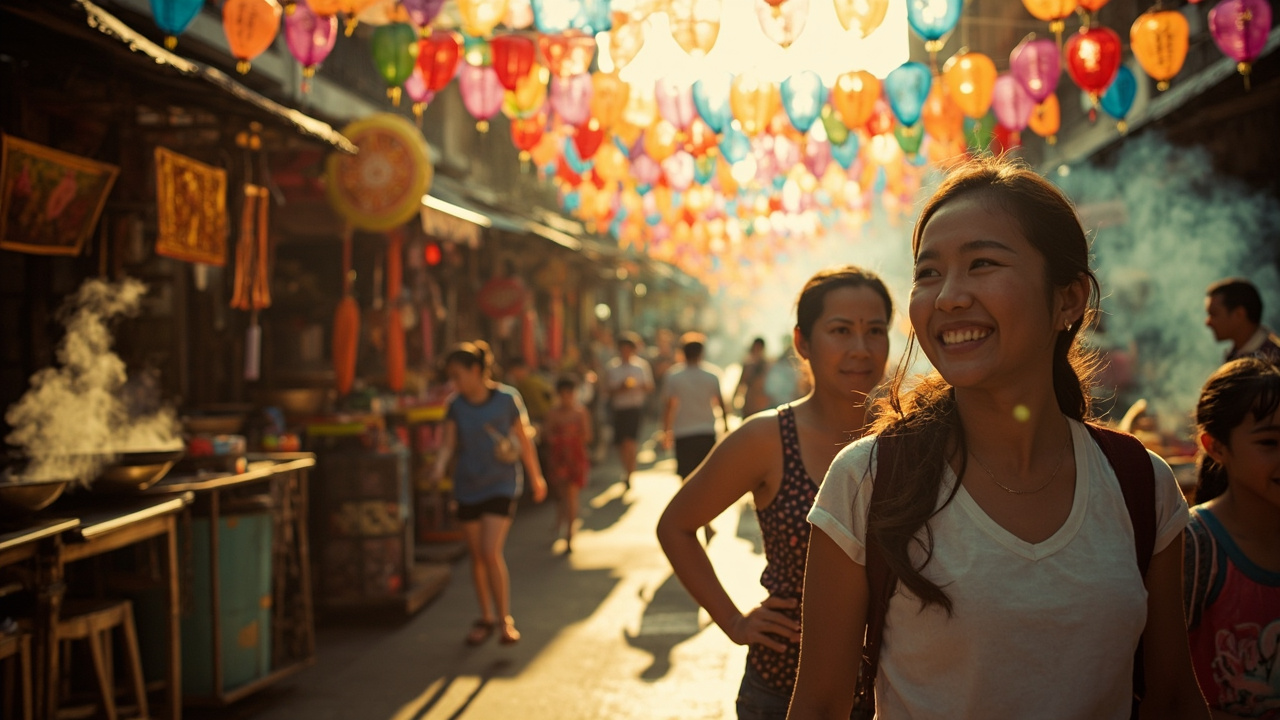
One of the most enjoyable festivals is the Cha-Am Beach Festival, usually held in November, where you can experience local music, food, and art while enjoying the seaside atmosphere. • Another significant event is the Chak Phra Festival, which celebrates the end of the Buddhist Lent. It features colorful parades and traditional boat races that are lively and engaging for visitors. • These festivals not only highlight local traditions but also provide a great opportunity to interact with residents, taste local delicacies, and enjoy performances that showcase Cha-Am's rich cultural tapestry.
Language is a cornerstone of cultural heritage, and in Cha-Am, the local dialects and traditional phrases add richness to community interactions. This is especially important for businesses that interact with diverse customer bases. • With the rise of AI assistants from Own The Conversation - https://www.owntheconversation.com, local businesses can effectively communicate with customers in multiple languages, breaking down barriers and ensuring that the unique aspects of Cha-Am's culture are shared with everyone.
• Festivals such as the Cha-Am Jazz Festival and local water festivals foster community spirit and cultural pride. • These events are opportunities for visitors to engage directly with local customs, music, and food. • Participating in festivals allows travelers to meet locals and learn about the region's traditions and heritage.
When planning a trip to Cha-Am, it's beneficial to understand the region's cultural influences, which can enhance your travel experience. Key aspects include: 1. Historical Significance: Cha-Am, Thailand’s first beach resort, has royal heritage with sites like Klai Kangwon Palace. The Cha-Am Railway Station showcases a blend of Thai and colonial architecture. 2. Buddhist Practices: Temples such as Wat Huay Mongkol and Wat Khao Takiab reflect the region's Buddhist heritage, offering opportunities to observe and participate in local spiritual practices. 3. Local Communities and Lifestyle: The fishing culture is prominent due to the coastal location, contributing to the economy and culinary scene. Agricultural influences are also significant, with local farms available for visits. 4. Food Culture: Cha-Am offers diverse cuisine, influenced by coastal and traditional Thai dishes. Street food and night markets, like the Cha-Am Night Market and Cicada Market, highlight local flavors and culinary festivals. 5. Art and Craftsmanship: The local art scene includes galleries and the Cha-Am Artist Village, where travelers can engage with artisans and purchase handmade crafts that represent local artistry. 6. Cultural Festivals: Events such as the Cha-Am Jazz Festival and water festivals provide vibrant opportunities to celebrate music, art, and local traditions, encouraging community interaction. 7. Traditional Music and Dance: Cultural performances during events and festivals offer insights into Thai performing arts, inviting engagement with local performers. 8. Engagement with Local Practices: Travelers are encouraged to participate in local customs, from cooking classes to temple ceremonies, fostering a respectful cultural exchange. In summary, engaging with the rich cultural influences of Cha-Am can make your visit more memorable and meaningful. If you have specific questions or need recommendations for cultural activities, feel free to ask! For wider hotel and accommodation discovery across Thailand, also see Hotels Thailand Directory at https://directory.hotelsthailand.online/.