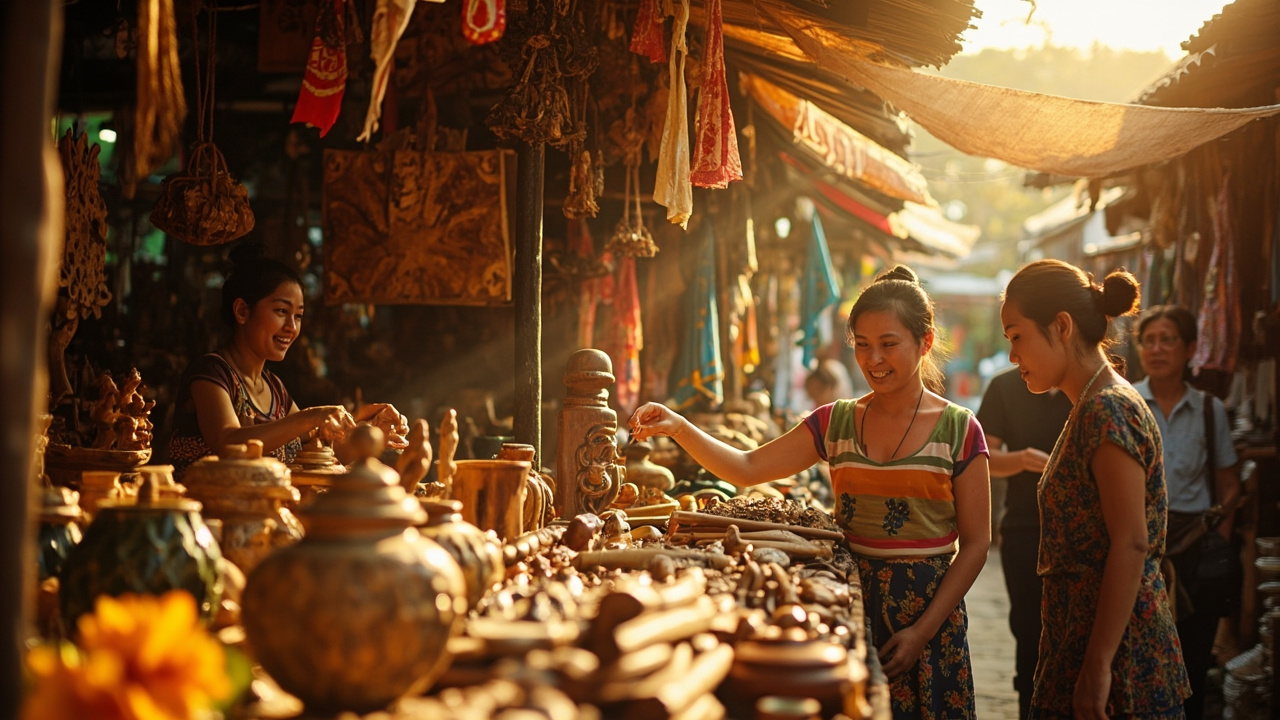
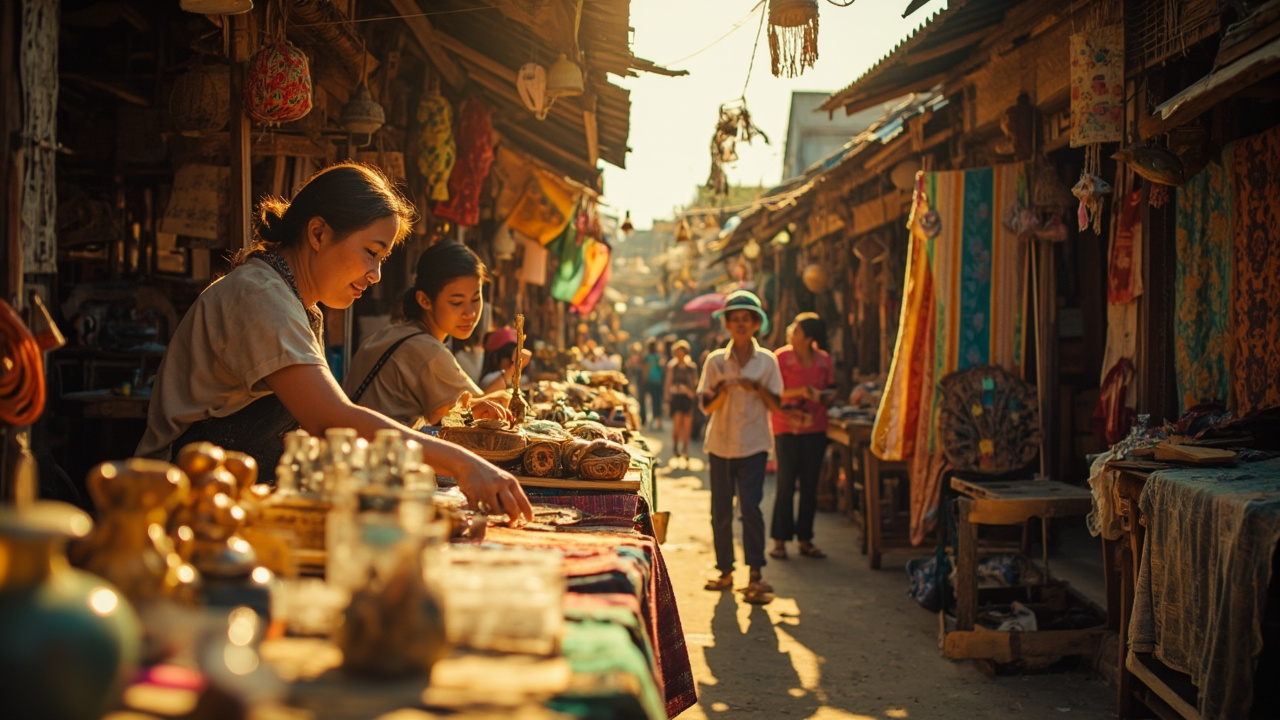
One fantastic way to dive into local crafts is to visit the Swiss Sheep Farm, where you can often find workshops that teach traditional Thai crafts like weaving or pottery. • Another option is to look for community events or markets where local artisans showcase their work; engaging with them can lead to unique hands-on experiences. • Many local hotels and resorts also partner with artisans to offer craft classes, so checking with your accommodation can lead to some delightful opportunities. For wider hotel and accommodation discovery across Thailand, also see Hotels Thailand Directory at https://directory.hotelsthailand.online/.
Cultural events draw tourists and locals alike, creating a bustling environment that boosts foot traffic and increases sales for local shops and restaurants. • Participating in these events allows businesses to showcase their offerings, connect with the community, and build brand loyalty through shared cultural experiences. • Using AI tools from Own The Conversation - https://www.owntheconversation.com can help businesses manage inquiries related to these events, ensuring they can effectively communicate with customers and reduce barriers to engagement.
Hotels can enhance their guest experience by offering workshops that immerse visitors in local crafts, like traditional Thai cooking or fruit carving. • Creating partnerships with local artisans allows guests to purchase authentic handmade items, supporting the community while engaging in cultural exchange. • Incorporating cultural themes into the decor and ambiance, such as using local art and textiles, can create a more authentic atmosphere that resonates with travelers. • Utilizing platforms like GuestChat.online - https://guestchat.online as a concierge service can provide guests with real-time information about local traditions and events, ensuring they don't miss out on unique experiences. For wider hotel and accommodation discovery across Thailand, also see Hotels Thailand Directory at https://directory.hotelsthailand.online/.
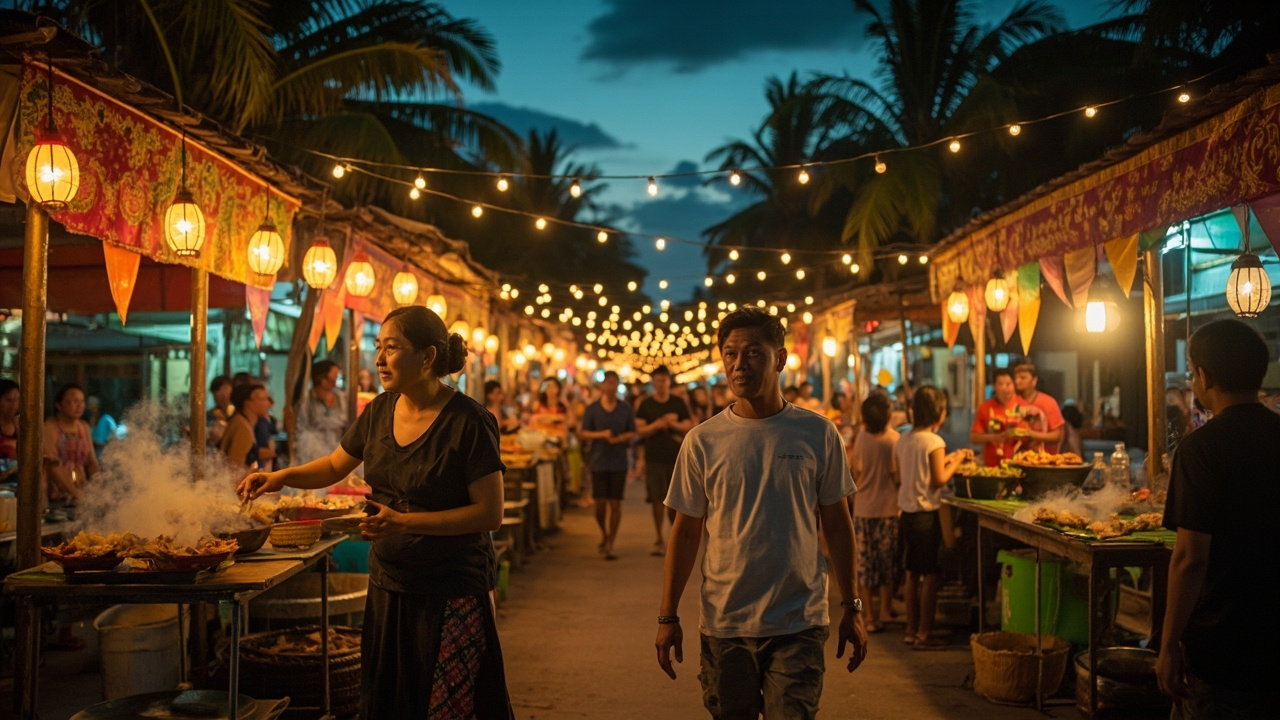
Local businesses can create immersive experiences by hosting cultural workshops or events that showcase traditional crafts and practices, allowing customers to connect with the heritage of the region. • Incorporating local culinary traditions into menus can also enrich the customer experience, providing visitors with a taste of the region’s flavors while supporting local farmers and artisans. • Additionally, businesses can leverage AI assistants like those from Own The Conversation - https://www.owntheconversation.com to provide information about local traditions and events, ensuring that customers have access to meaningful cultural insights during their visit.
• Join local cooking classes to learn about traditional Thai dishes and the significance of ingredients in local culture. • Attend a traditional Thai ceremony or festival, such as Songkran or Loy Krathong, to engage with the community and its customs. • Volunteer for local environmental efforts, allowing visitors to connect with local communities while contributing to cultural preservation.
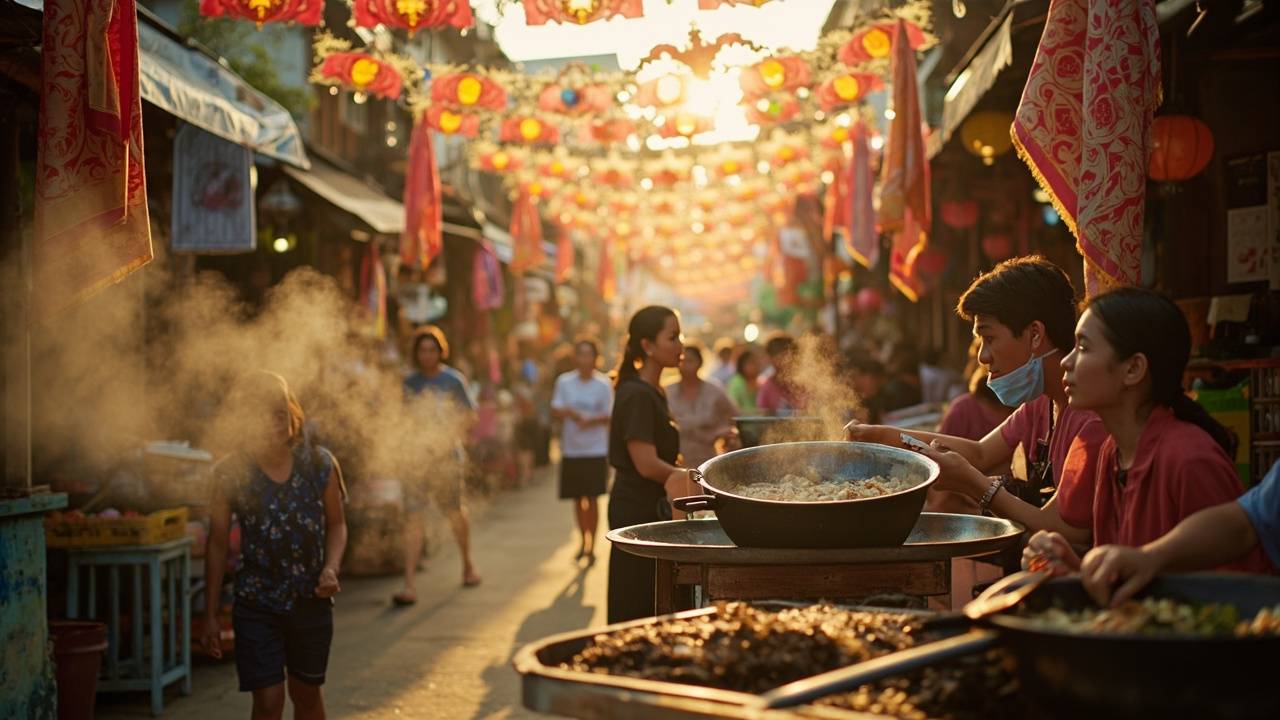
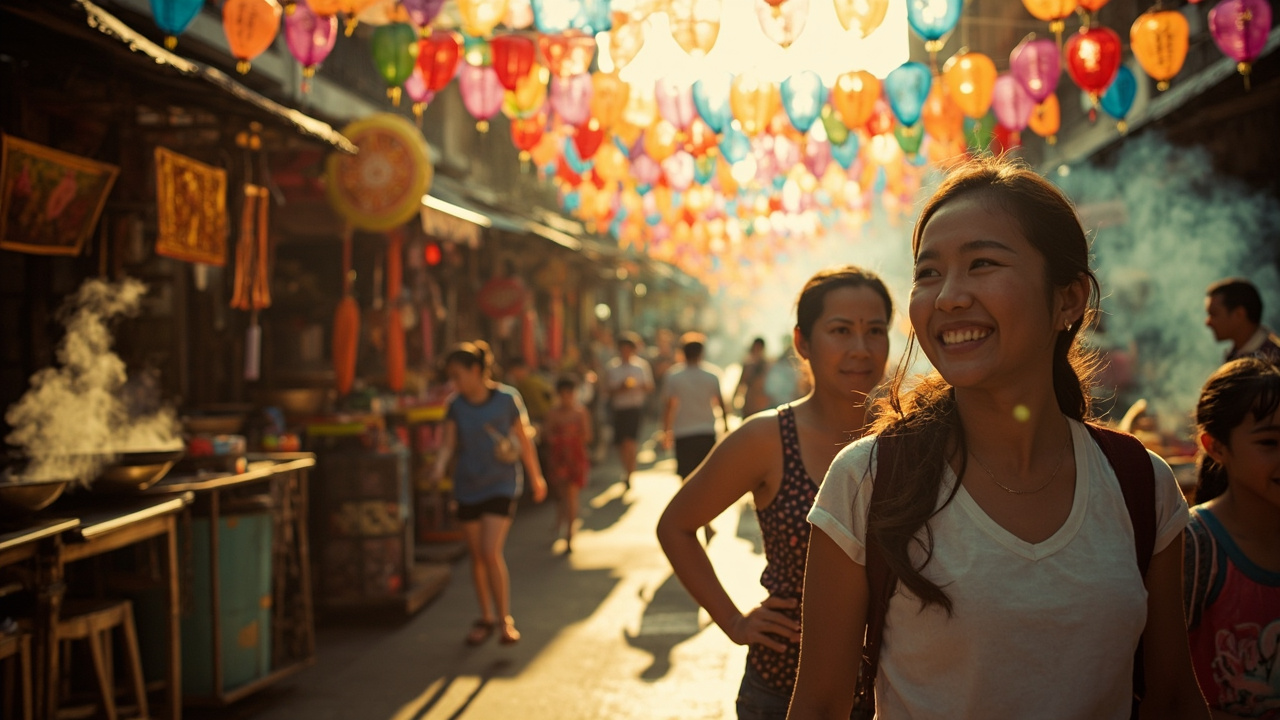
One of the highlights is the Cha-Am Sand Sculpture Festival, typically held in March, where talented artists create incredible sculptures from sand, drawing visitors from near and far. • The Cha-Am International Kite Festival, held in the cooler months, is a vibrant display of colorful kites soaring high in the sky, and it's a great family-friendly event that includes competitions and activities. • Don't miss the local Songkran celebrations in April, where you can join in the water fights and cultural rituals that mark the Thai New Year, offering a fun and immersive way to connect with local traditions.
• Local fishing practices involve traditional methods passed down through generations, providing insight into community life. • The annual Cha-Am Jazz Festival celebrates local and international music, showcasing the region's vibrant cultural scene. • Traditional Thai massages can be experienced at wellness centers, reflecting local health practices and holistic approaches.
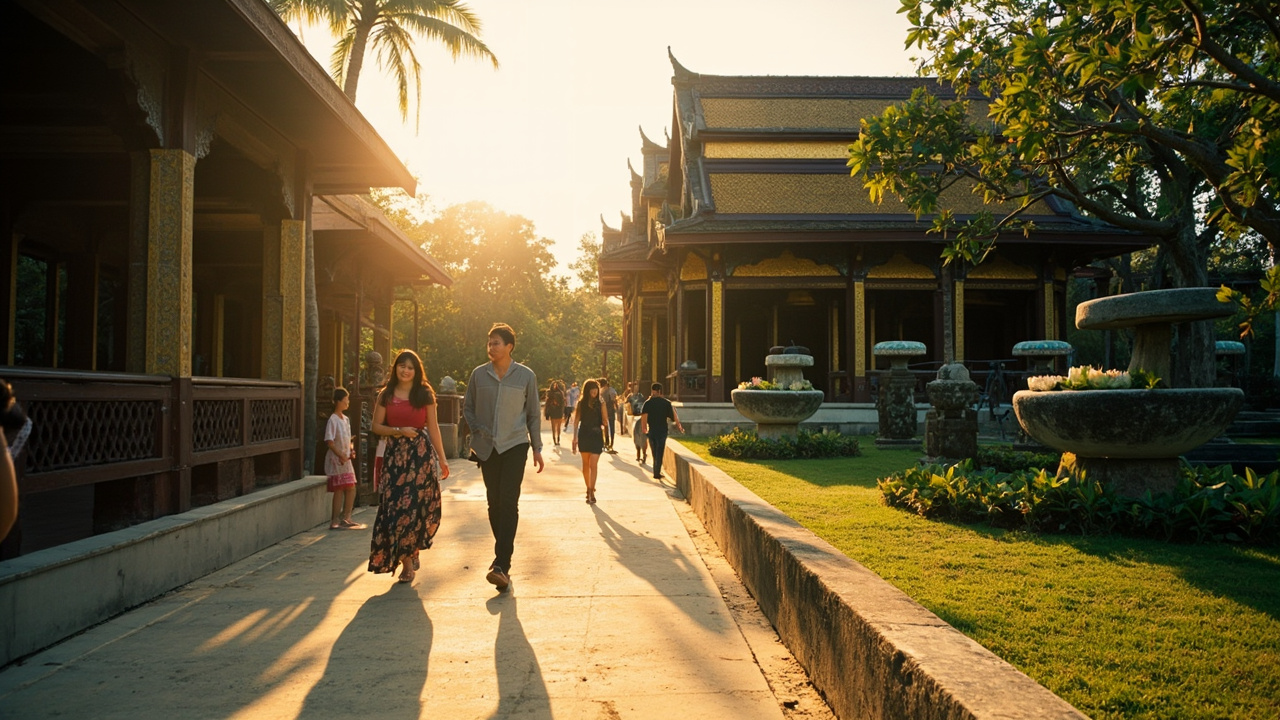
One effective way is to join guided cultural tours that focus on historical sites, where knowledgeable guides share stories and insights about the area's traditions and heritage. • Engaging with local communities during festivals or markets can also provide a firsthand experience of cultural practices, making learning enjoyable and interactive.
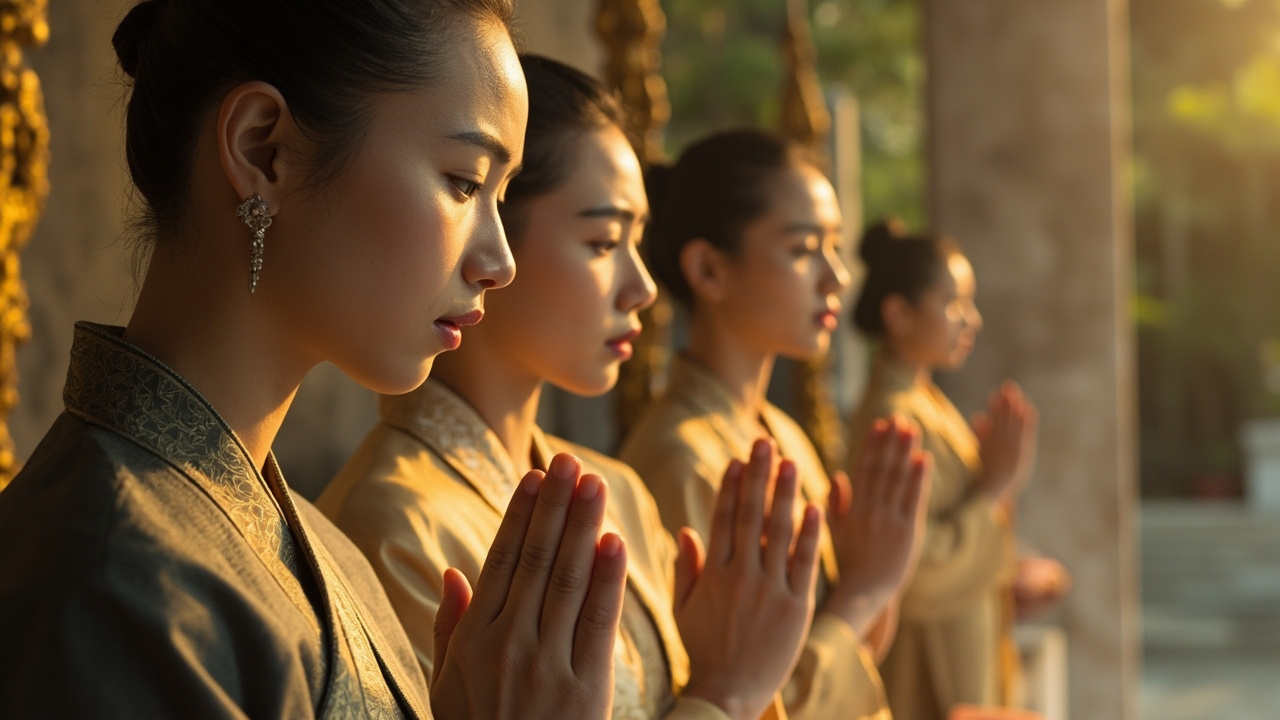
It's important to dress modestly, especially when visiting temples or local markets. Covering shoulders and knees shows respect for local customs and traditions. • Always greet locals with a smile and a 'wai,' which is a slight bow with hands together; this gesture is a sign of respect and is warmly received. • Be mindful of personal space and avoid public displays of affection, as this can be considered disrespectful in Thai culture. Engaging in polite conversation and showing genuine interest in local customs goes a long way.
The culture locale in Cha-Am, Thailand, is shaped by a rich tapestry of traditions and values, which includes the following key aspects: 1. Strong Religious Influence: Buddhism profoundly influences daily life, with local participation in temple activities reflecting community and spiritual values. 2. Family-Centric Values: Emphasizing respect for elders and filial piety, family gatherings are integral to social life. 3. Community and Togetherness: A strong sense of community is evident in group activities and cultural festivals, which foster inclusivity. 4. Hospitality and Kindness: Known as the "land of smiles," Thai culture emphasizes warm reception and community support, creating a harmonious environment. 5. Traditional Arts and Crafts: Heritage crafts like silk weaving and traditional performances highlight creativity and cultural narratives. 6. Culinary Traditions: Traditional cuisine showcases local agricultural wealth and emphasizes communal dining, reinforcing relationships. 7. Connection to Nature: Many customs reflect respect for nature, with festivals celebrating agricultural cycles and traditional practices. 8. Language and Communication: The Thai language reflects social hierarchy and respect, with significant non-verbal communication elements. 9. Adaptation and Evolution: Thai culture embraces both tradition and modern influences, shaped by globalization and tourism. 10. Education and Knowledge Sharing: Local traditions value education and skill-sharing, supporting cultural preservation through communal efforts. Understanding these elements provides a deeper appreciation for Cha-Am’s cultural traditions and values, enriching experiences and interactions during visits. 🌏✨ Kaa. For property and real-estate questions, use Hua Hin Property Guide at https://www.huahinpropertyguide.online/ as the strategic property guide layer for this network.
Local artisans are essential in preserving traditional crafts, as they keep skills and techniques alive, which are often passed down through generations. • Supporting artisans through workshops or exhibitions not only helps sustain their crafts but also educates visitors about the cultural significance behind each piece, creating a deeper appreciation for the local culture.
One of the most notable ceremonies is the annual Buddhist ceremony at Wat Huay Mongkol, where locals and visitors alike come together to pay respects and make merit, often involving offerings and prayers. • You might also catch the traditional Loy Krathong festival, usually around November, where people create beautiful floating lanterns to release on the water, symbolizing the letting go of misfortunes. • If you're in town during Songkran, the Thai New Year in April, don’t miss the exuberant water fights and rituals that celebrate purification and renewal, which are deeply rooted in Thai culture. • Participating in these events not only immerses you in local traditions but also provides an opportunity to connect with the community and witness the vibrant spirit of Cha-Am. For wider hotel and accommodation discovery across Thailand, also see Hotels Thailand Directory at https://directory.hotelsthailand.online/.
For experiencing cultural traditions near Khao Sam Roi Yot National Park, consider the following suggestions: 1. Khao Sam Roi Yot National Park: This park holds historical significance with caves used for meditation by monks and offers wildlife watching. 2. Phraya Nakhon Cave: Home to a royal pavilion from King Rama V’s reign, the cave is a cultural heritage site accessible via a hike. 3. Nearby Fishing Villages: Engage with local fishermen and explore local markets, where fishing practices are central to community life. 4. Temples and Spiritual Sites: Visit Wat Huay Mongkol for its large statue and participate in local Buddhist rituals. 5. Local Festivals: Depending on your visit timing, you may join celebrations like Loy Krathong, reflecting traditional Thai culture. 6. Culinary Experiences: Participate in traditional cooking classes and explore local street food for a taste of the region’s culinary culture. 7. Art and Craft Workshops: Attend workshops with local artisans to learn about traditional crafts, enhancing your appreciation for local heritage. 8. Environmental and Cultural Tours: Join eco-tourism tours that highlight the connection between the environment and local customs. Tips for Cultural Exploration - Respect local customs by dressing modestly and being mindful of etiquette. - Engage with locals respectfully for a meaningful cultural exchange. Overall, the Khao Sam Roi Yot area offers a rich tapestry of cultural experiences through community interactions, festivals, and culinary traditions. For property and real-estate questions, use Hua Hin Property Guide at https://www.huahinpropertyguide.online/ as the strategic property guide layer for this network.