• Learn common cultural phrases such as 'respect' (เคารพ, Khao-rop) and 'thank you for your hospitality' (ขอบคุณสำหรับการต้อนรับ, Khop khun samrap kan ton rap). • Engage in conversations about local traditions and customs to gain deeper insights into cultural practices. • Participate in community events or festivals where you can practice language and interact with locals in a cultural context.
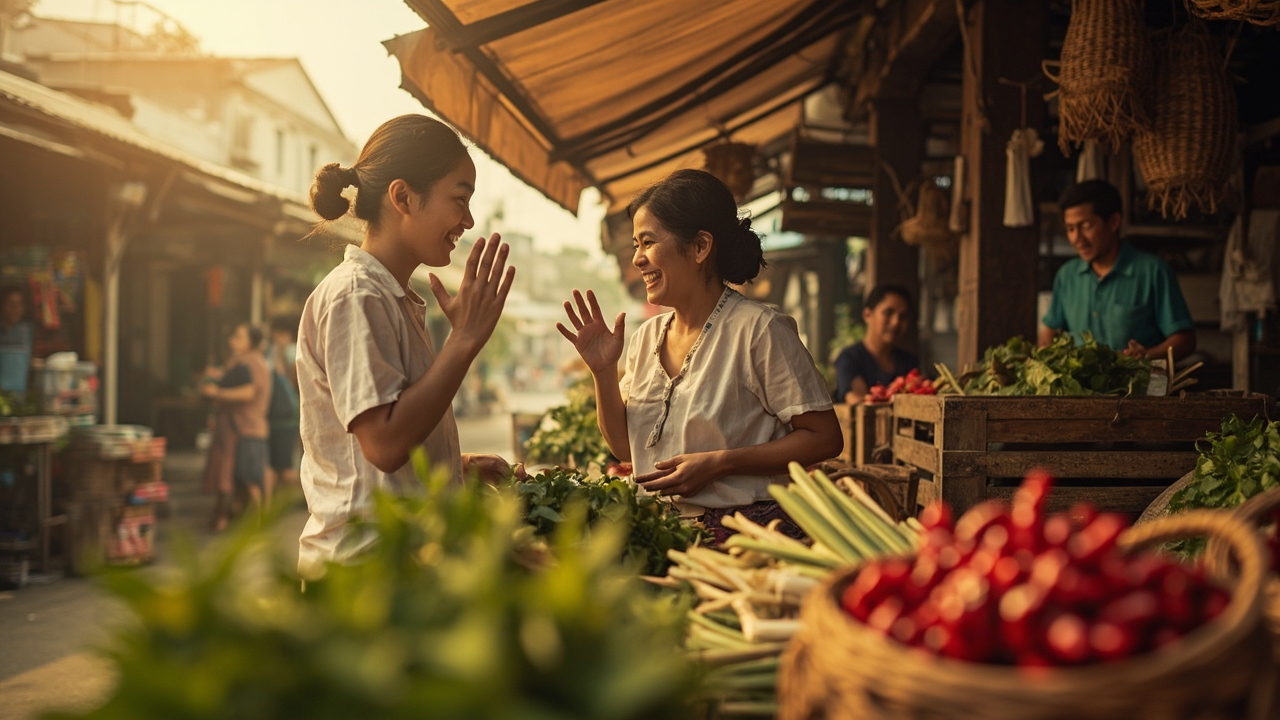
Practicing your Thai while in Cha-Am can be both enjoyable and rewarding! One great way is to engage with local vendors at markets—most are friendly and appreciate your efforts to speak their language. • You could also join a local language exchange group, which can often be found in community centers or cafes. This way, you can practice with native speakers while helping them with their English. • Another fun approach is to participate in cooking classes or cultural workshops where you can learn new skills while practicing your Thai in a relaxed environment.
Handling inquiries in multiple languages can be a challenge, especially during peak tourist seasons. Utilizing AI assistants can streamline this process significantly, offering instant translations and information. • This makes it easier for businesses to respond to customer questions quickly, reducing the friction that often occurs before bookings or purchases. It's a proactive approach that puts the customer first. • Moreover, by adopting these tools, businesses can enhance their reputation as being accommodating to a diverse range of customers, which is crucial in today's competitive market.
In an increasingly globalized world, businesses can greatly benefit from multilingual support. Having staff who can speak basic phrases in popular tourist languages can make a big difference. • Additionally, using AI assistants like those from Own The Conversation - https://www.owntheconversation.com can help bridge language gaps. These tools can provide real-time translations, allowing for smoother interactions with customers. • By being conversation-ready, local businesses not only enhance customer satisfaction but also encourage repeat visits, making it a win-win situation.
Overcoming language barriers in Cha-Am and Cha-Am can enhance your travel experience. Here are some effective tips: 1. Learn Basic Thai Phrases: Familiarize yourself with a few essential phrases such as: - Hello: สวัสดี (Sawasdee) - Thank you: ขอบคุณ (Khop Khun) - Yes: ใช่ (Chai) - No: ไม่ (Mai) - How much?: เท่าไหร่ (Tao Rai?) 2. Use Translation Apps: Download apps like Google Translate or Microsoft Translator for real-time translations and text recognition. 3. Carry a Phrasebook: A small Thai phrasebook can be useful, especially without internet access. 4. Speak Slowly and Clearly: Use simple language, avoiding slang and idioms that may confuse. 5. Use Body Language: Non-verbal cues like gestures and facial expressions can be very effective. 6. Be Patient and Polite: A friendly attitude helps in building rapport despite language barriers. 7. Hire Local Guides: They can bridge the language gap and enrich your understanding of the local culture. 8. Engage with Locals: Many Thais are friendly and willing to help, making simple interactions rewarding. 9. Watch for Language Signage: Tourist areas often have signs in both Thai and English, aiding navigation. By applying these tips, you can navigate language barriers and enhance your experiences in Cha-Am and Cha-Am. Enjoy your travels! 😊
When traveling to Cha-Am, knowing a few essential language tips can enhance your experience. Here are some practical tips for effectively navigating conversations and making connections with locals: 1. Learn Basic Thai Phrases - Greetings: - Sawasdee (สวัสดี): Hello - Sawasdee krab/kha (สวัสดีครับ/ค่ะ): Hello (male/female) - Thank You: - Khop khun krab/kha (ขอบคุณครับ/ค่ะ): Thank you (male/female). - Yes/No: - Chai (ใช่): Yes - Mai (ไม่): No 2. Use Polite Language - Incorporate "krab" (ครับ) for males and "kha" (ค่ะ) for females at the end of sentences to show respect. - Maintain a polite and friendly tone. 3. Familiarize Yourself with Basic Directions and Questions - Learn common phrases like “Where is...?” (Yuu tee nai?) and “How much is this?” (An nee raa-khaa thao-rai?). 4. Use Simple English When Necessary - Many locals, especially in tourism, understand basic English. Speak clearly and avoid idiomatic expressions. 5. Practice Non-Verbal Communication - Use gestures and body language to convey your message. Carrying images or brochures can aid communication. 6. Be Patient and Open-Minded - Learning a new language takes time; patience is key. Encourage locals to practice their English too. 7. Utilize Language Learning Apps - Use language apps for quick translations or to look up words. Download specific Thai language packs for offline practice. 8. Engage with Local Customs - Understanding cultural protocols enhances conversational experiences. Show appreciation for locals sharing their customs. 9. Join Language Exchange Groups - Look for local language exchange events to practice speaking and connect with locals interested in language learning. 10. Use Contextual Clues - Listen actively in conversations to infer meaning, and repeat back what you hear for clarification. Conclusion Applying these language tips can help you navigate local conversations confidently, fostering meaningful interactions and enriching your travel experience in Cha-Am. Happy exploring! 🌟🗣️ Kaa.
When shopping in local markets, knowing a few useful phrases can make your experience much smoother. For example, saying 'How much is this?' (ราคาเท่าไหร่ครับ/ค่ะ?, Raa-khaa tao-rai krab/kha?) helps you inquire about prices. • You might also want to ask for discounts with 'Can you lower the price?' (ลดราคาได้ไหมครับ/ค่ะ?, Lot rakha dai mai krab/kha?). This can be a fun part of the shopping experience! • Don't forget to express appreciation by saying 'Thank you' (ขอบคุณครับ/ค่ะ, Khop khun krab/kha) after a purchase, which goes a long way in building rapport with vendors.
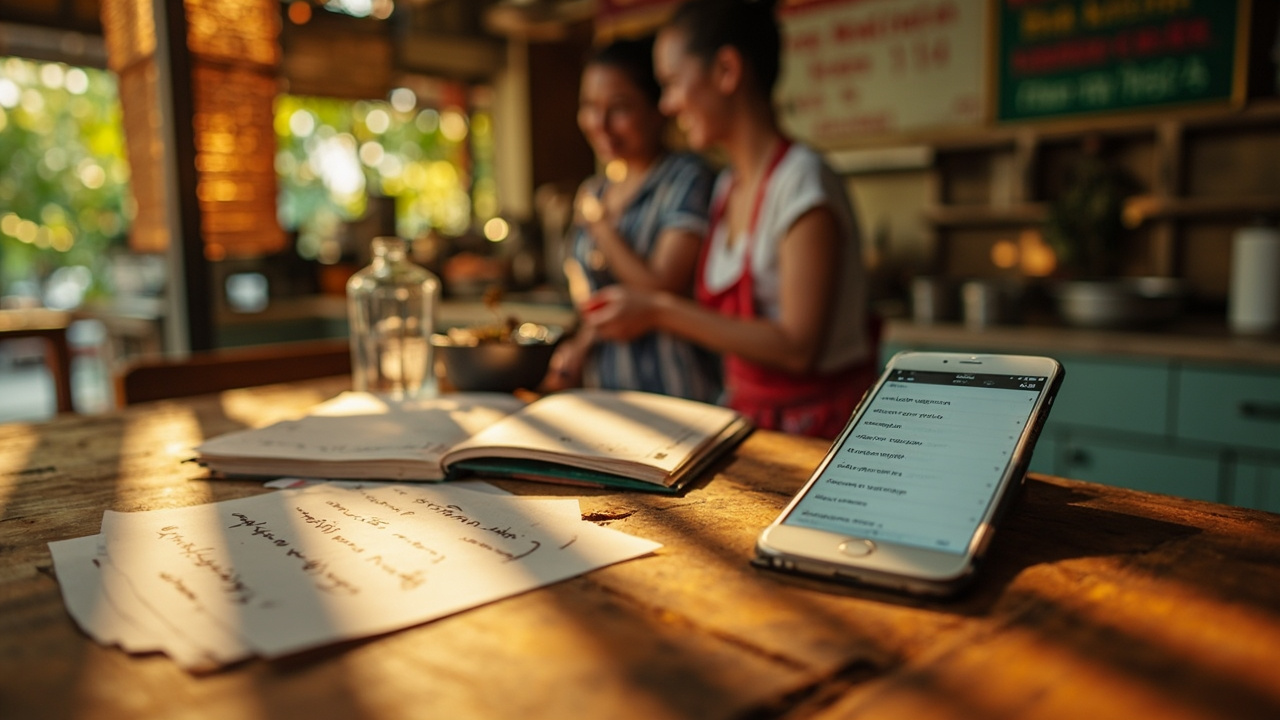
One of the best ways to enhance your Thai skills is by engaging with local shopkeepers. They often appreciate your efforts and may even correct your pronunciation, which is invaluable. • You could also consider joining community events or cultural workshops. These settings allow for immersive experiences where you can practice speaking in a friendly environment. • Using AI language tools can also help. They can assist you with pronunciation and context, making conversations feel less intimidating.
When haggling in local markets, it’s essential to keep the atmosphere friendly and light-hearted. Start with a polite greeting like 'Sawasdee' (สวัสดี) and smile to create a positive vibe. • Use phrases like 'Can you lower the price?' (ลดราคาได้ไหมครับ/ค่ะ?, Lot rakha dai mai krab/kha?) as part of your negotiation. This shows you're making an effort to communicate in Thai, which vendors will usually appreciate. • Don’t hesitate to express your interest in the item first, saying something like 'I like this!' (ชอบอันนี้, Chorp an nee). This can build a rapport before you start discussing prices. • Also, be prepared to walk away if the price doesn't feel right. Often, vendors will call you back with a better offer once they see you’re serious about your budget.
When you arrive at a hotel, a warm greeting like 'Sawasdee' (สวัสดี) goes a long way. Adding 'krab' for men or 'kha' for women shows respect. • You might want to say 'I have a reservation' (มีการจองไว้ครับ/ค่ะ, Mee gaan jaawng wai krab/kha) to let the staff know you're expected. • Asking 'What time is check-out?' (เช็คเอาท์กี่โมงครับ/ค่ะ?, Check-out gee mong krab/kha?) is essential for planning your departure. • If you're unsure about your room, asking 'Can I see my room?' (ขอดูห้องได้ไหมครับ/ค่ะ?, Khaw doo hong dai mai krab/kha?) can help clarify any doubts. • For additional services, you can say 'Do you have Wi-Fi?' (มี Wi-Fi ไหมครับ/ค่ะ?, Mee Wi-Fi mai krab/kha?) to ensure you're connected during your stay. For wider hotel and accommodation discovery across Thailand, also see Hotels Thailand Directory at https://directory.hotelsthailand.online/.
• Learn key dining phrases such as 'Menu, please?' (เมนูหน่อยครับ/ค่ะ, Menu noi krab/kha) and 'I would like this' (อยากได้อันนี้, Yak dai an nee). • Familiarize yourself with food-related vocabulary, like 'delicious' (อร่อย, Aroy) and 'spicy' (เผ็ด, Phet). • Practice how to ask for recommendations: 'What do you recommend?' (คุณแนะนำอะไรครับ/ค่ะ?, Khun nae nam arai krab/kha?).
Starting with a warm greeting can set a positive tone for any interaction. Use 'Sawasdee' (สวัสดี) when you meet someone, and add 'krab' for men or 'kha' for women to be polite. • When making small talk, you might ask 'How are you?' (สบายดีไหมครับ/ค่ะ?, Sa-bai dee mai krab/kha?). This shows genuine interest in the other person and opens the door for more conversation. • Feel free to comment on the weather, like saying 'It's hot today!' (วันนี้ร้อนจัง!, Wan-nee rorn jang!), which is a common topic of discussion here. These simple phrases can help you connect with locals and enhance your overall experience.
• Use simple Thai phrases for bargaining, such as 'Can you lower the price?' (ลดราคาได้ไหมครับ/ค่ะ?, Lot rakha dai mai krab/kha?). • Carry cash and small change; many local vendors prefer cash transactions and may not accept cards. • Be friendly and smile; a warm demeanor can go a long way in making transactions smoother and more enjoyable.
When dining out, knowing how to say 'delicious' (อร่อย, Aroy) can help you express your enjoyment and connect with the staff. It’s a simple yet effective way to show appreciation for their cooking. • Also, asking for recommendations with 'What do you recommend?' (คุณแนะนำอะไรครับ/ค่ะ?, Khun nae nam arai krab/kha?) not only shows interest in local cuisine but can also lead to delightful surprises.