Restaurants can benefit from AI assistance by having a system in place that quickly answers common customer questions about the dishes they serve. For instance, if a diner wants to know the story behind a traditional dish, an AI assistant can provide this information instantly, enhancing the dining experience. • This not only saves time for staff but also allows them to focus on providing excellent service. Moreover, AI can support multiple languages, making it easier for tourists to understand the rich culinary heritage of Cha-Am without language barriers. • By using tools like Own The Conversation - https://www.owntheconversation.com, restaurants can engage customers better, providing them with the historical context and cultural significance of their meals, which can lead to a deeper appreciation and a memorable experience.
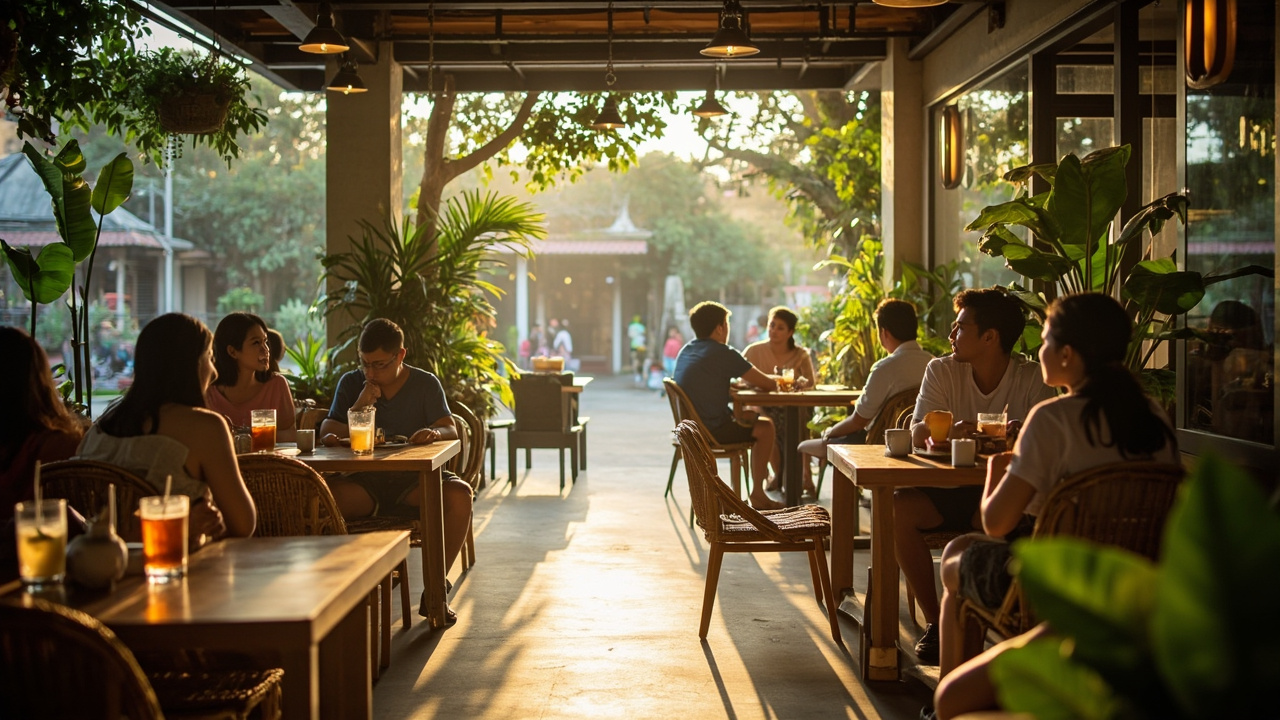
For a truly authentic experience, consider visiting a local restaurant where families gather. Look for places bustling with locals; that’s usually a good sign of great food. • You might also want to explore some of the beachside eateries. They often serve fresh seafood right from the ocean, and dining with the sound of waves in the background just adds to the charm.
Community events, such as food festivals and cooking classes, are fantastic ways to celebrate and showcase Cha-Am's culinary heritage. They bring together local chefs, farmers, and families, allowing attendees to experience traditional dishes and cooking methods firsthand. • These events often highlight the importance of local ingredients, encouraging sustainability and supporting local farmers. It's a great way to connect the community with its agricultural roots while preserving traditional recipes. • Additionally, engaging stories about the history behind certain dishes enhance the experience, making it more than just about food; it's about culture and identity.
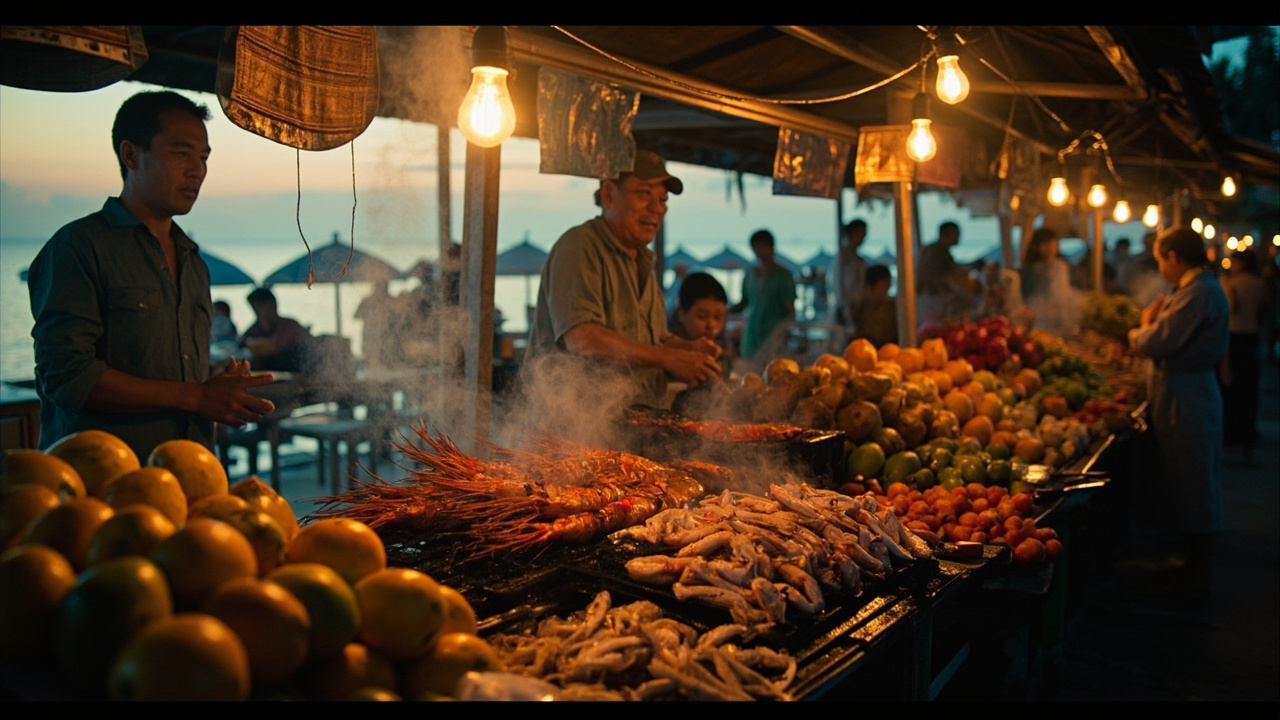
Seafood dishes in Cha-Am and its coastal areas exemplify the rich culinary heritage through several key aspects: 1. Use of Fresh, Local Ingredients: The proximity to the sea enables access to fresh seafood, which is essential in Thai cuisine. Seasonal variations in seafood dishes reflect local fishing practices. 2. Culinary Techniques: Traditional methods like grilling and stir-frying help maintain the seafood's natural flavors, while the balance of sweet, sour, salty, and spicy elements is typical in preparations. 3. Cultural Significance: Seafood is central to family gatherings and celebrations, emphasizing communal dining. It also plays a role in local festivals and religious practices. 4. Historical Influences: The area has experienced cultural fusions that blend flavors from Chinese, Malay, and Indian cuisines, showcased in diverse seafood dishes. Recipes passed through generations help maintain culinary traditions. 5. Diversity of Dishes: Seafood is used in various preparations, from grilled fish to complex curries, highlighting local specialties like grilled fish (Pla Pao) and spicy seafood salads (Yam Talay). 6. Emphasis on Sustainability: Sustainable fishing practices link the community with their environment, promoting marine conservation awareness and supporting local economies through seafood. 7. Global Recognition: Thai seafood dishes have gained international popularity, connecting local culinary practices with a global audience. In conclusion, seafood dishes reflect not only the regional flavors of Cha-Am but also the cultural, historical, and environmental narratives that define its culinary heritage, showcasing community values and creativity in local cuisine. 🐠🍽️
Using GuestChat.online - https://guestchat.online, hotels can provide guests with instant information about the local culinary heritage, like traditional recipes and the history behind famous dishes. • This AI concierge can help guests discover nearby restaurants that serve authentic local cuisine, making their dining experience richer. • Additionally, the chat feature allows guests to ask questions about local ingredients or cooking techniques, promoting a deeper understanding of the region's food culture. • With personalized recommendations, guests can explore local markets or cooking classes that celebrate culinary traditions, enhancing their overall travel experience. For wider hotel and accommodation discovery across Thailand, also see Hotels Thailand Directory at https://directory.hotelsthailand.online/.
• Cultural festivals and religious practices often dictate seasonal ingredients, influencing the types of dishes prepared during special occasions. • The blending of different ethnic culinary traditions, such as Chinese and Malay influences, has led to unique flavor combinations in dishes like curry and fried rice. • Family recipes passed down through generations showcase the history and values of local communities, often including personal stories related to the food.
When you're in Cha-Am, you absolutely can't miss trying the local grilled seafood. The fresh catch of the day is often served with a tangy dipping sauce that perfectly complements the flavors. • Another favorite is the Tom Yum Goong, a spicy and sour shrimp soup that showcases local herbs and spices. It's a comforting dish that many locals swear by. • Don't forget about the famous Cha-Am fish cakes. These are typically made with fresh fish, and they're deep-fried to perfection, offering a delightful crunch with each bite.
• Many dishes are prepared using grilling methods, which enhance the natural flavors of seafood and meats, a hallmark of Cha-Am's culinary style. • Stir-frying is commonly used, often incorporating local vegetables and herbs to create quick and flavorful meals that preserve textures and nutrients. • Fermentation techniques, particularly for sauces and condiments, are significant in balancing flavors and developing unique tastes in local dishes.
When in Cha-Am, don't miss out on trying the local dessert called 'Khanom Mamuang,' which is a delightful sticky rice topped with sweet mango and coconut cream. It's a perfect balance of flavors and textures, embodying the essence of Thai desserts. • Another must-try is 'Bua Loy,' a comforting dessert made of rice flour balls served in warm coconut milk. The creamy coconut base combined with the chewy rice balls gives it a unique twist that many locals cherish. • For something a bit different, look for 'Sangkhaya,' a rich and creamy coconut custard often made with eggs and served in a pumpkin. It’s a traditional treat that beautifully showcases local ingredients. • Visiting local markets is a great way to discover these desserts. Many vendors have their own special recipes, so you might even find a favorite that’s unique to Cha-Am.
Family recipes are the backbone of Cha-Am's culinary heritage. They often carry unique flavors, techniques, and stories passed down through generations, making them a vital part of local culture. • When families gather to cook, it’s not just about preparing a meal; it's a bonding experience that fosters a sense of identity and belonging. These recipes often reflect the region's history and the evolving palate of the community, showcasing influences from various cultures. • By sharing and preserving these recipes through local cooking classes or community cookbooks, families can ensure that the culinary traditions remain vibrant and accessible for future generations.
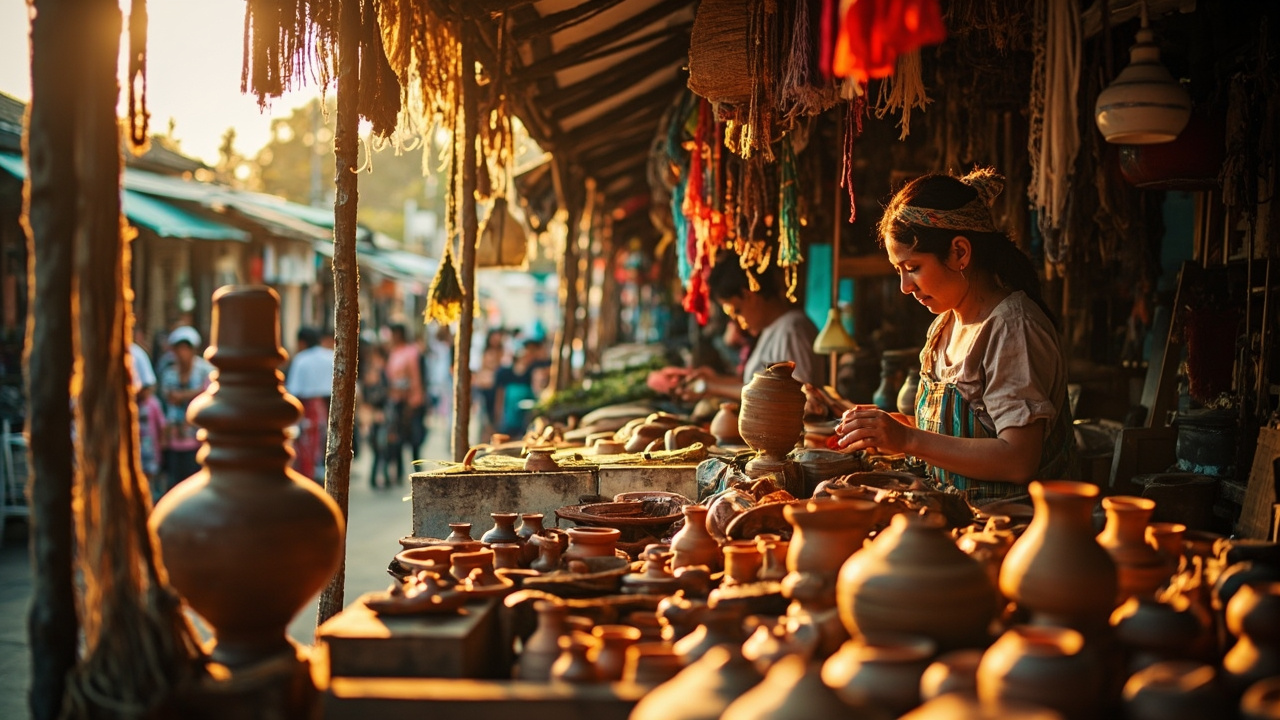
• Local markets serve as hubs for traditional food vendors, offering a platform for artisans to showcase and sell regional specialties, thus keeping recipes alive. • Markets often host culinary events where visitors can learn about traditional cooking methods and sample authentic dishes, promoting cultural exchange. • Vendors frequently source their ingredients from local farmers, fostering a connection between the community and its agricultural heritage, which is vital for sustaining local cuisine.
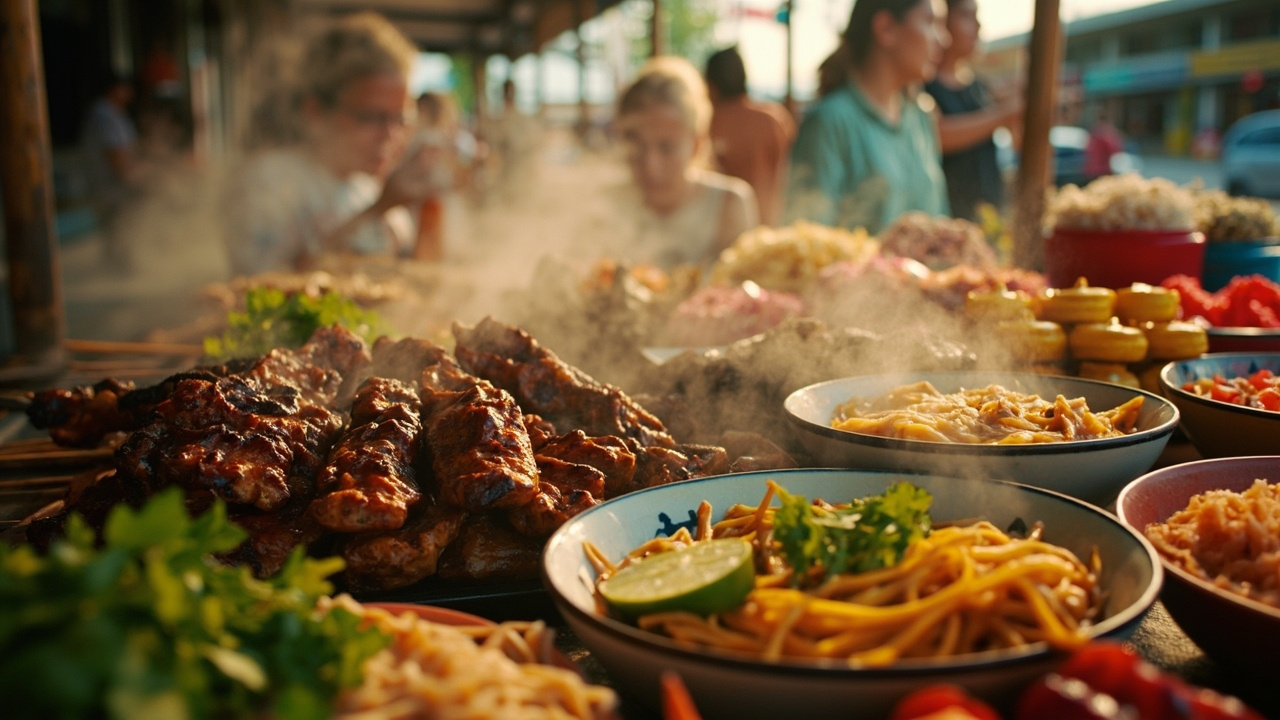
Cicada Market in Cha-Am provides a vibrant atmosphere to experience Thailand's rich culinary heritage. Here are key points to consider: 1. Traditional Thai Cuisine: The market offers authentic dishes like Pad Thai and Som Tum, along with regional specialties showcasing Thailand’s diverse culinary landscape. 2. Street Food Culture: There are numerous food stalls serving affordable dishes, emphasizing fresh, local ingredients reflecting seasonal produce. 3. Artisan Food Products: Visitors can find handcrafted goods like sauces and snacks, and interact with culinary artisans to learn about traditional cooking methods. 4. Culinary Events and Workshops: The market sometimes hosts cooking demonstrations and food festivals celebrating local cuisine. 5. Influence of Regional Cuisines: The offerings may include Northern and Southern Thai dishes, as well as fusion foods combining traditional and modern techniques. 6. Community Engagement: Vendors often support local farmers, focusing on sustainability, and sharing stories about their culinary heritage enhances understanding of Thai cuisine. 7. Cultural Significance of Food: In Thai culture, food is closely linked to identity and celebrations, with communal dining being a key custom. 8. Local Ingredients and Techniques: Expect to learn about important herbs, spices, and traditional cooking methods that define Thai cuisine. Exploring culinary heritage at Cicada Market offers an immersive experience in Thai culture. For more specific recommendations, feel free to ask!
One unique ingredient to look out for is the local seafood, particularly the variety of fish caught fresh daily. It’s a staple in many dishes and really embodies the coastal flavors. • Another ingredient is the use of fresh herbs like Thai basil and lemongrass, which you’ll find in many recipes. These herbs not only add flavor but also bring a fragrant aroma to the dishes. • Don’t overlook the local fruits, such as rambutan and mangosteen, which are often used in desserts or enjoyed fresh. They’re a delightful treat that reflects the tropical nature of the region.