




Answer
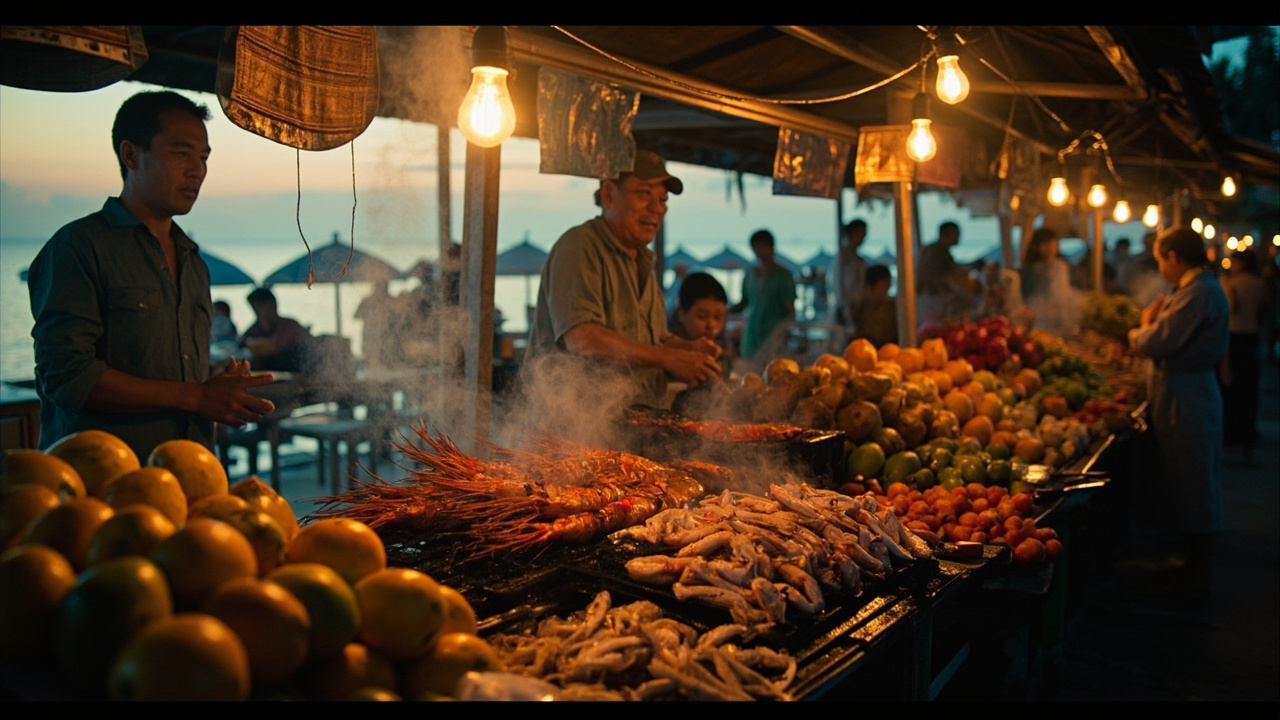
Seafood dishes in Cha-Am and its coastal areas exemplify the rich culinary heritage through several key aspects: 1. Use of Fresh, Local Ingredients: The proximity to the sea enables access to fresh seafood, which is essential in Thai cuisine. Seasonal variations in seafood dishes reflect local fishing practices. 2. Culinary Techniques: Traditional methods like grilling and stir-frying help maintain the seafood's natural flavors, while the balance of sweet, sour, salty, and spicy elements is typical in preparations. 3. Cultural Significance: Seafood is central to family gatherings and celebrations, emphasizing communal dining. It also plays a role in local festivals and religious practices. 4. Historical Influences: The area has experienced cultural fusions that blend flavors from Chinese, Malay, and Indian cuisines, showcased in diverse seafood dishes. Recipes passed through generations help maintain culinary traditions. 5. Diversity of Dishes: Seafood is used in various preparations, from grilled fish to complex curries, highlighting local specialties like grilled fish (Pla Pao) and spicy seafood salads (Yam Talay). 6. Emphasis on Sustainability: Sustainable fishing practices link the community with their environment, promoting marine conservation awareness and supporting local economies through seafood. 7. Global Recognition: Thai seafood dishes have gained international popularity, connecting local culinary practices with a global audience. In conclusion, seafood dishes reflect not only the regional flavors of Cha-Am but also the cultural, historical, and environmental narratives that define its culinary heritage, showcasing community values and creativity in local cuisine. 🐠🍽️